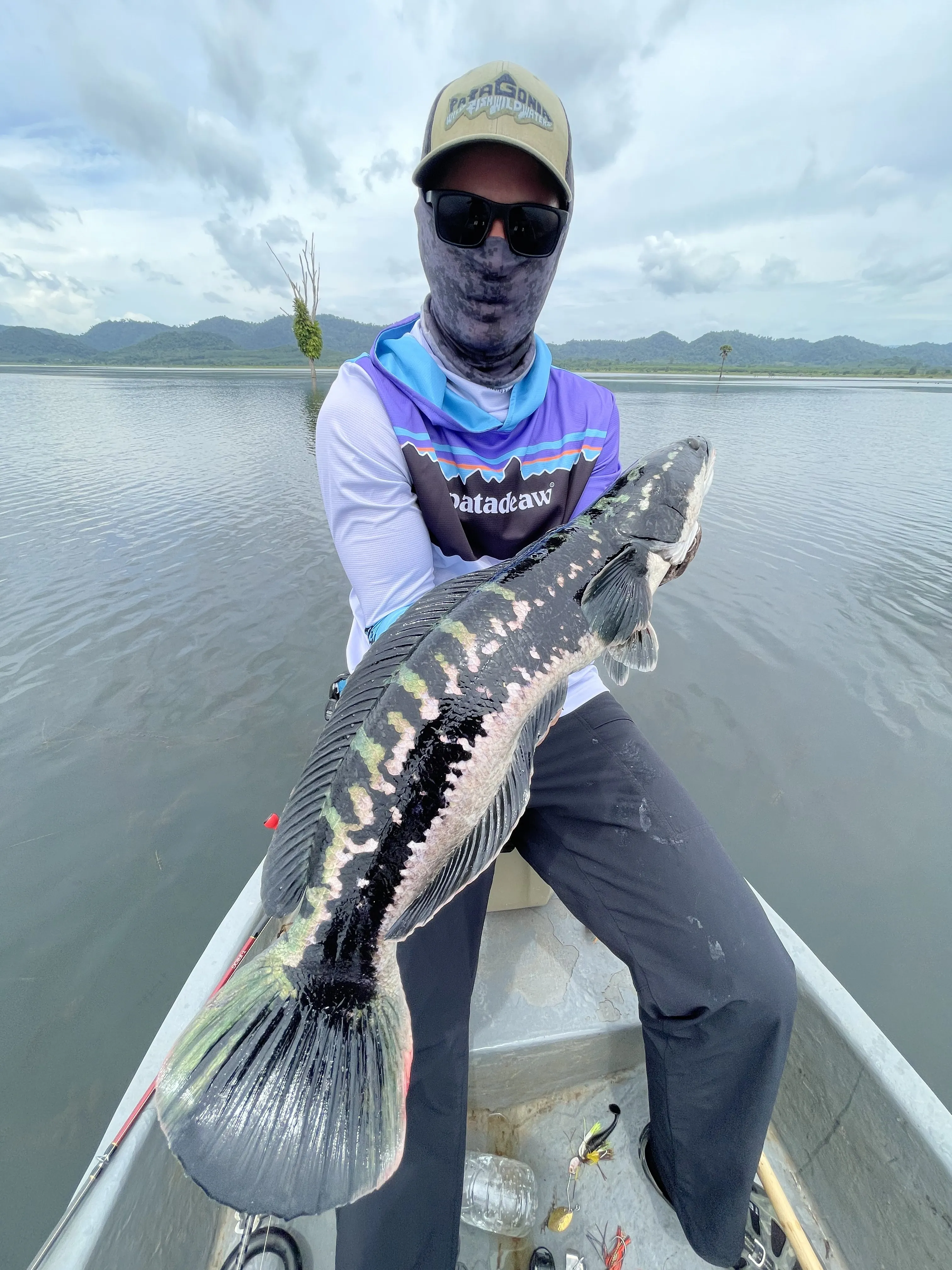
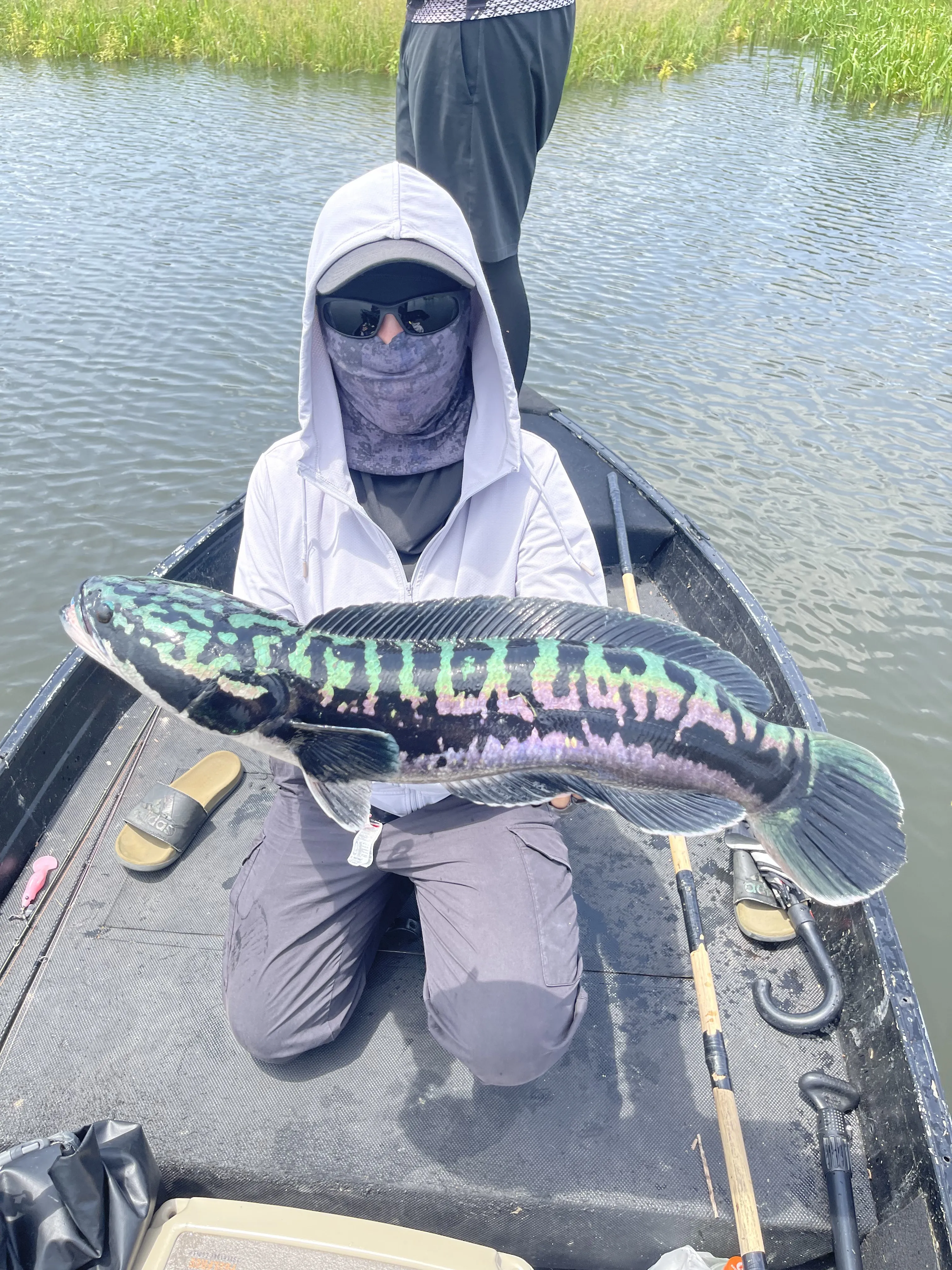
A Typical Day Fishing for Wild Snakehead in Thailand

Wild Snakehead Fishing in Thailand
Fishing Thailand’s wild waterways is very different from fishing commercial parks.
You’re dealing with heat, changing weather, shallow structure, flooded vegetation, and fish that move constantly throughout the day. A successful trip comes down to preparation, reading water correctly, and working closely with a local boatman who understands the lake.
Whether you’re targeting giant snakehead, striped snakehead, featherback, or jungle perch, most wild fishing days follow a similar rhythm. Early starts, long hours casting, midday slowdowns, and short feeding windows where everything suddenly comes alive.
This guide breaks down what a realistic day on the water looks like and what you should prepare before stepping into the boat.
Step 1: Choose the Right Lake
The first decision is choosing a lake that matches your fishing style.
Some lakes are shallow and full of grass, lilies, and flooded timber. Others are deeper reservoirs with open water, submerged channels, and weed edges.
Different fisheries suit different techniques.
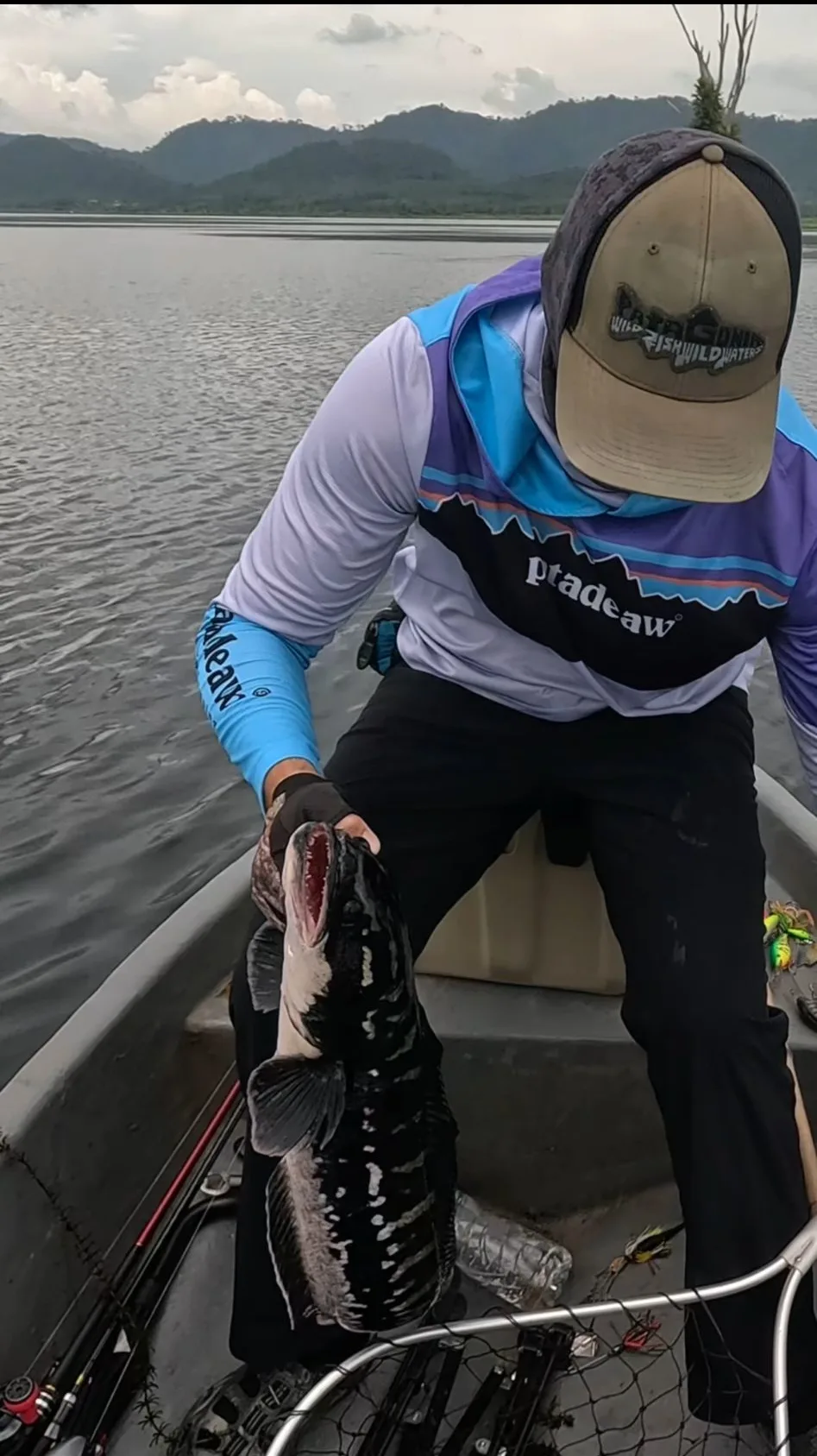
Giant Snakehead Lakes
Giant snakehead lakes usually favor:
- Topwater frogs
- Buzzbaits
- Weedless soft plastics
- Heavy baitcasting setups
These fish often sit around fry balls, weed lines, or flooded cover.
Striped Snakehead Fisheries
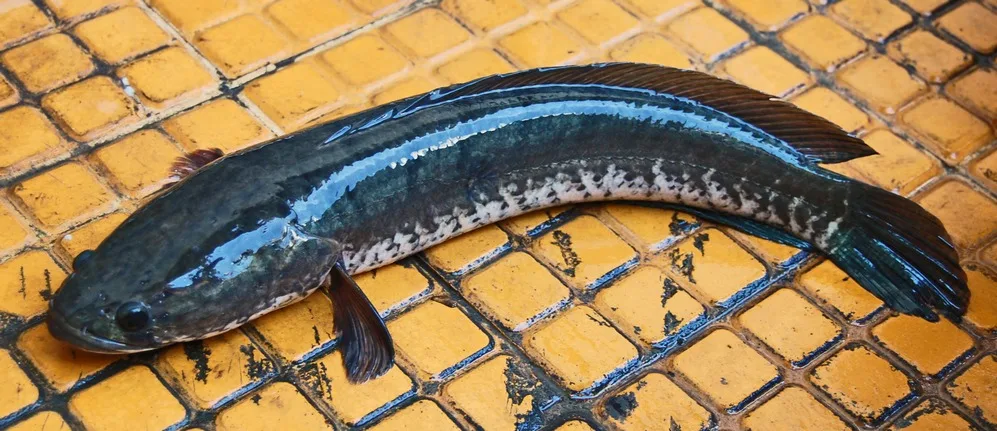
Striped snakehead are more common in:
- Canals
- Rice paddies
- Small lakes
- Marsh systems
These fish respond well to smaller frogs, spinnerbaits, and soft plastics worked slowly through cover.
Seasonal Conditions Matter
Thailand’s fishing changes heavily with the seasons.
Rainy Season (May–October)
- Higher water
- Flooded vegetation
- More active snakehead
- Better topwater fishing
Dry Season (November–April)
- Lower water levels
- Fish hold deeper
- Slower midday fishing
- More pressure on smaller lakes
The rainy season is usually the best time for active giant snakehead fishing.
Step 2: Book a Boatman
Once you choose a lake, the next step is securing a boatman.
This is one of the most important parts of fishing wild Thailand successfully.
Most productive snakehead lakes are difficult to fish without local knowledge. Boatmen understand:
- Seasonal movements
- Water levels
- Productive casting angles
- Fry ball locations
- Navigation routes through shallow cover
Most guides operate through Facebook fishing groups or local recommendations.
Book at least a week ahead if possible.
Weekend demand can get extremely busy during peak snakehead season.
Typical Costs
Most wild fishing trips cost around:
- 1,500–2,000 THB per day
- Fuel sometimes included
- Full-day trips from sunrise to sunset
I usually prefer paying after the trip finishes, but discuss this clearly beforehand.
Communication can sometimes be difficult, especially in remote areas, so using a translation app helps.
Josh’s Pro Tip
The best boatmen are not always the ones posting huge fish photos online.
Some of the most consistent local guides barely use social media at all.
If you find a reliable boatman who works hard, communicates well, and actively searches for fish instead of sitting in one area all day, keep their contact details. Good local knowledge is worth more than expensive tackle in Thailand.
Step 3: Pack Properly for the Heat
Thailand’s conditions are physically demanding.
Most anglers underestimate how exhausting a full day casting in tropical heat can be.
Good preparation keeps you fishing effectively later into the afternoon when feeding windows reopen.
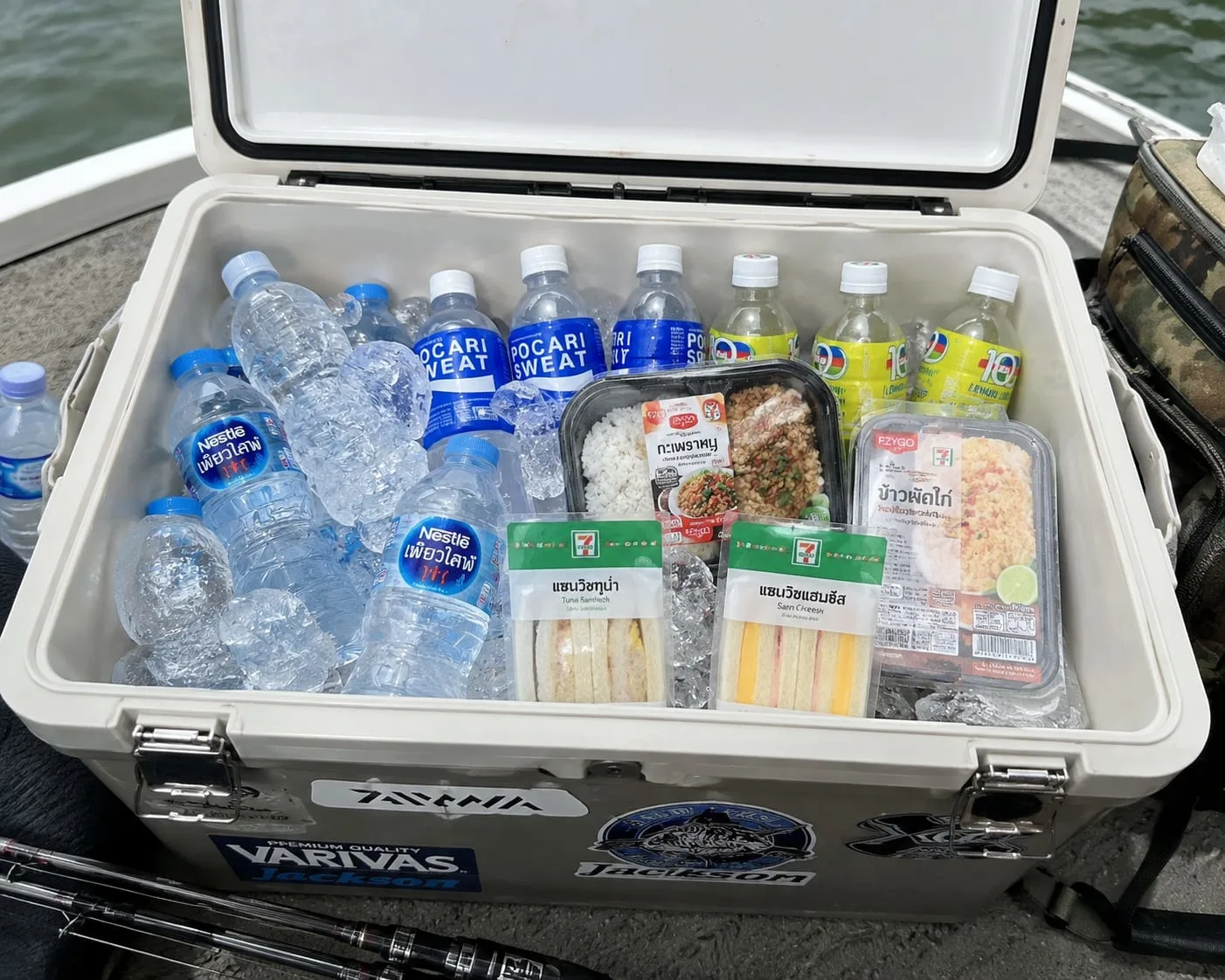
Cooler Box
Bring:
- Ice
- Plenty of water
- Electrolyte drinks
- Lunch
- Snacks
7-Eleven is usually the easiest stop before fishing.
Rice meals, sandwiches, and cold drinks work perfectly for long sessions.
Camping Chair
Midday fishing often slows down badly.
A lightweight camping chair gives you somewhere to sit, eat, and recover while waiting for afternoon activity.
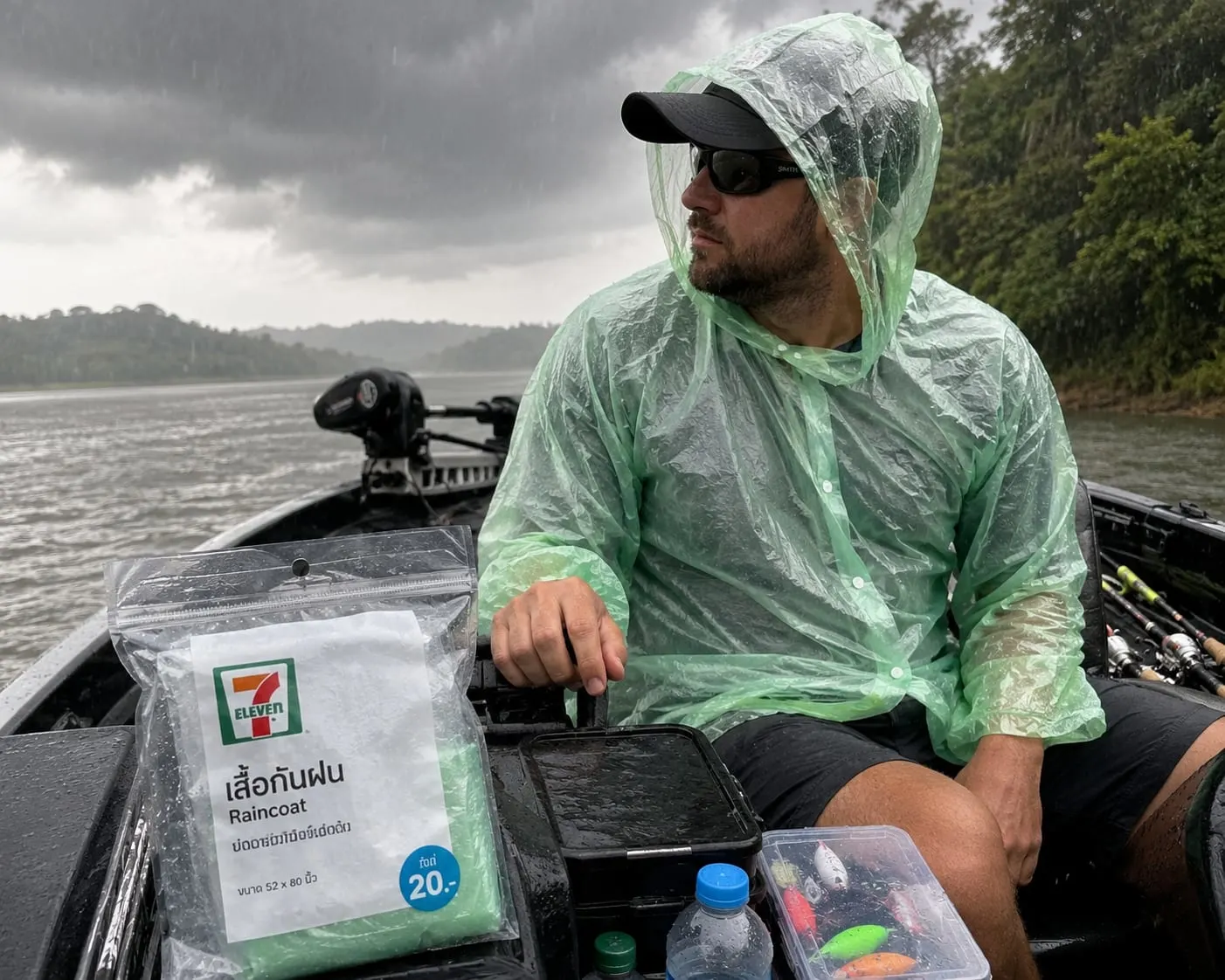
Cheap Raincoat
Thai rainstorms arrive quickly.
Most only last 20–30 minutes.
Cheap plastic raincoats from 7-Eleven work perfectly and pack down easily.
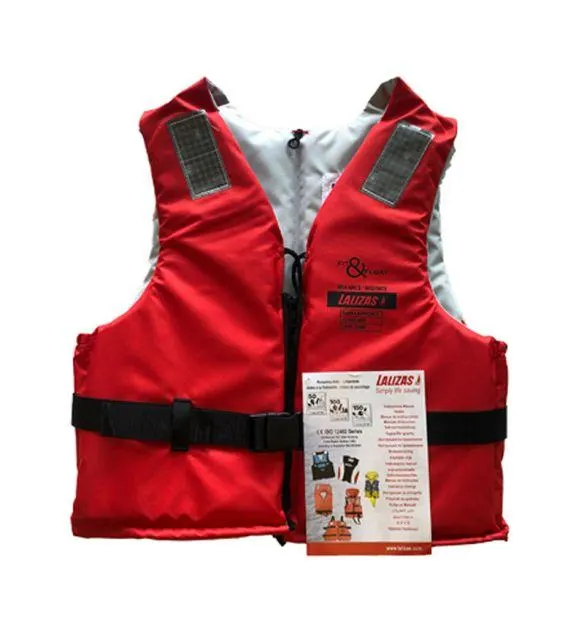
Personal Flotation Device (PFD)
Always wear or carry a flotation device.
Many wild lakes involve:
- Long runs
- Shallow timber
- Sudden storms
- Unstable boats
Belt-style inflatable PFDs work well because they stay comfortable while casting all day.
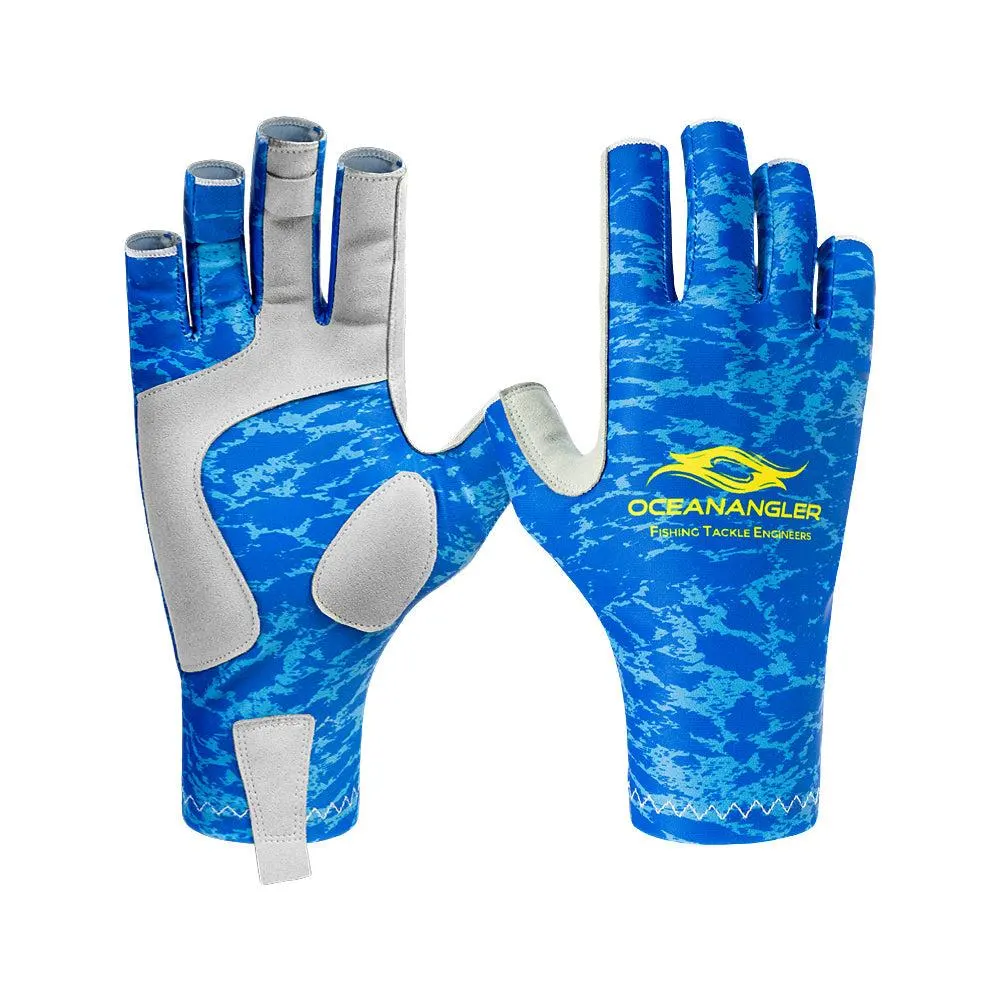
Sun Protection
Thailand’s sun is brutal year-round.
Cover exposed skin completely.
Bring:
- Buff
- Fishing gloves
- Long sleeves
- Hat
- Long pants
- Sunglasses
Sunburn and dehydration ruin more fishing days than bad lure choices.
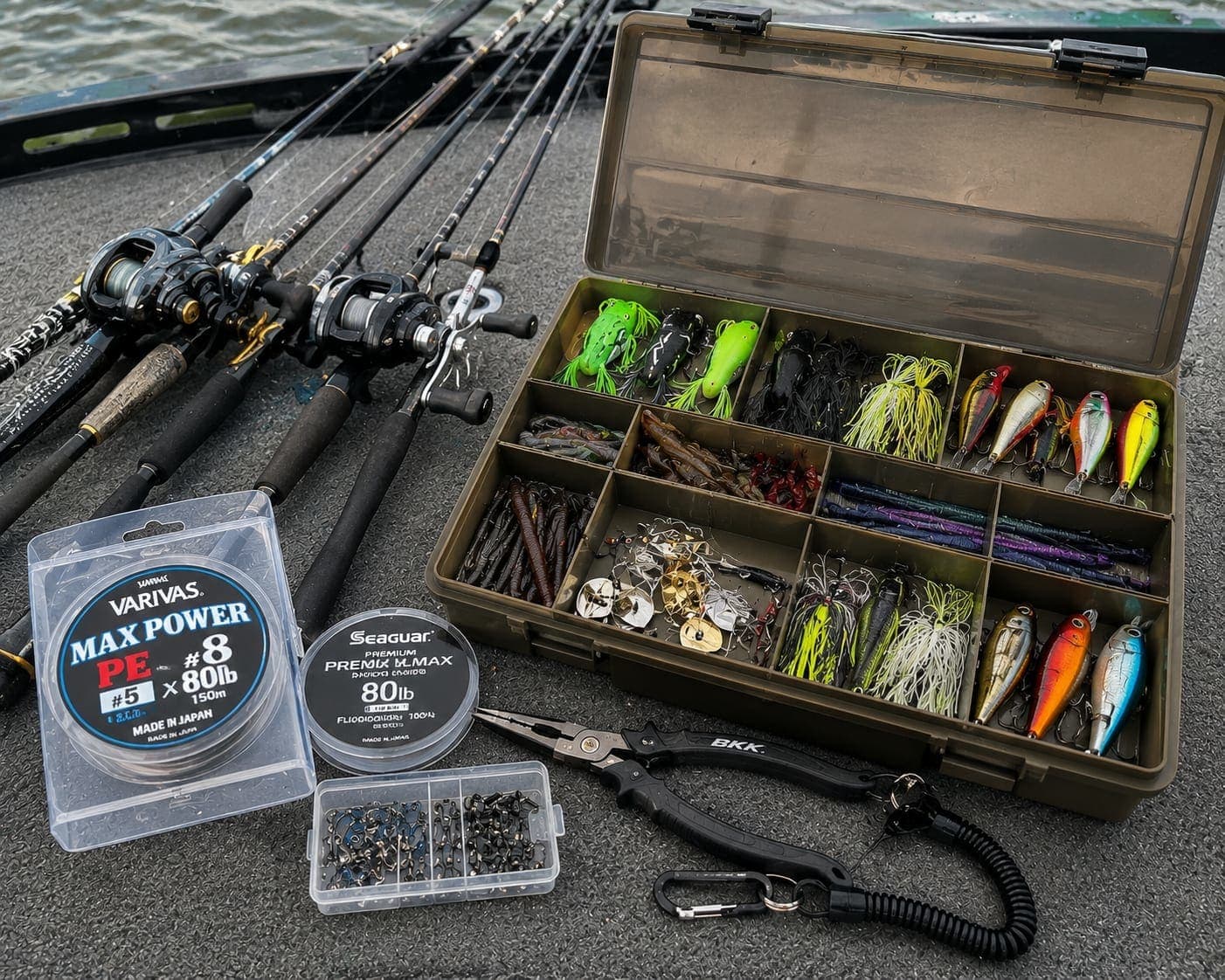
Step 4: Bring the Right Tackle
Boatmen normally do not supply gear.
You need to arrive fully prepared.
Typical Snakehead Setup
Most anglers use:
Rods
- Medium-heavy to heavy baitcasting rods
- Fast action rods for topwater hooksets
Reels
- High-speed baitcasters
- Strong drag systems
Line
- Braided line
- 40–65 lb for giant snakehead
- Leaders around heavy cover
Productive Lures
- Buzzbaits
- Frogs
- Spinnerbaits
- Soft plastics
- Shallow crankbaits
Step 5: Meet Early and Start Fishing
Most serious wild fishing days begin before sunrise.
You’ll usually meet your boatman around:
- 5:00–5:30 AM
Early morning is critical because:
- Water temperatures are lower
- Snakehead cruise shallow
- Surface feeding activity increases
- Wind conditions are calmer
Your boatman will normally start around:
- Weed edges
- Fry balls
- Grass lines
- Shallow timber
- Canal mouths
Sight Casting vs Blind Casting
A lot of Thailand snakehead fishing comes down to two approaches.
Sight Casting
When fish reveal themselves on the surface:
- Cast ahead of movement
- Retrieve immediately
- Trigger reaction strikes quickly
Blind Casting
When activity slows:
- Cover water methodically
- Target structure repeatedly
- Focus on ambush zones
Adapting between these styles throughout the day is important.
Josh’s Pro Tip
If you miss a giant snakehead strike on topwater, don’t instantly rip the lure away.
Pause briefly.
Many fish circle back and hit again after the initial miss, especially around fry balls where aggression levels stay high.
Step 6: Late Afternoon Usually Fires Again
The hottest hours are often slow.
But late afternoon can suddenly switch back on.
As sunlight softens, snakehead move shallower again and become more aggressive.
This is usually the best time to:
- Revisit productive areas
- Throw topwater again
- Cover weed edges quickly
- Stay alert for surface movement
Some of the biggest strikes happen during the final hour before sunset.
Respect Your Boatman
A good boatman is far more than transport.
They’re reading:
- Wind direction
- Water clarity
- Fish behavior
- Seasonal movement
- Structure positioning
If you’re unsure what lure to throw, ask them.
Most local guides know exactly when conditions favor frogs, buzzbaits, crankbaits, or slower presentations.
Respect their experience.
Good communication and attitude usually lead to better fishing days.
Related reading
Before your next trip, also read:
- How to Sight Cast for Giant Snakehead in Thailand
- How to Target Momma Snakehead with Spinnerbaits
- Giant Snakehead Fry Ball Fishing in the Rainy Season
Conclusion
A typical day fishing for wild snakehead in Thailand is physically demanding but incredibly rewarding.
Preparation matters more than most anglers realize.
Choosing the right lake, working with an experienced boatman, protecting yourself from the heat, and adapting your approach throughout the day all dramatically improve your chances of success.
Thailand rewards anglers who stay mobile, cast accurately, and fish patiently through slow periods waiting for short feeding windows.
If you’re planning your first wild snakehead trip, start simple, trust local knowledge, and focus on learning how these fisheries behave. The experience alone is worth the effort.
FAQ
What is the best time of year for snakehead fishing in Thailand?
The rainy season from May to October is usually best because rising water floods vegetation and activates snakehead feeding behavior.
Do I need a guide or boatman in Thailand?
For most wild fisheries, yes. Local boatmen understand navigation routes, seasonal fish movement, and productive structure far better than visiting anglers.
What lures work best for giant snakehead?
Topwater frogs, buzzbaits, spinnerbaits, and weedless soft plastics are some of the most productive options.
How early should a fishing trip start?
Most trips begin around sunrise, typically between 5:00 and 5:30 AM, when fish are most active.
Is wild fishing in Thailand physically demanding?
Yes. The heat, constant casting, and long hours on the water can be exhausting without proper hydration and sun protection.