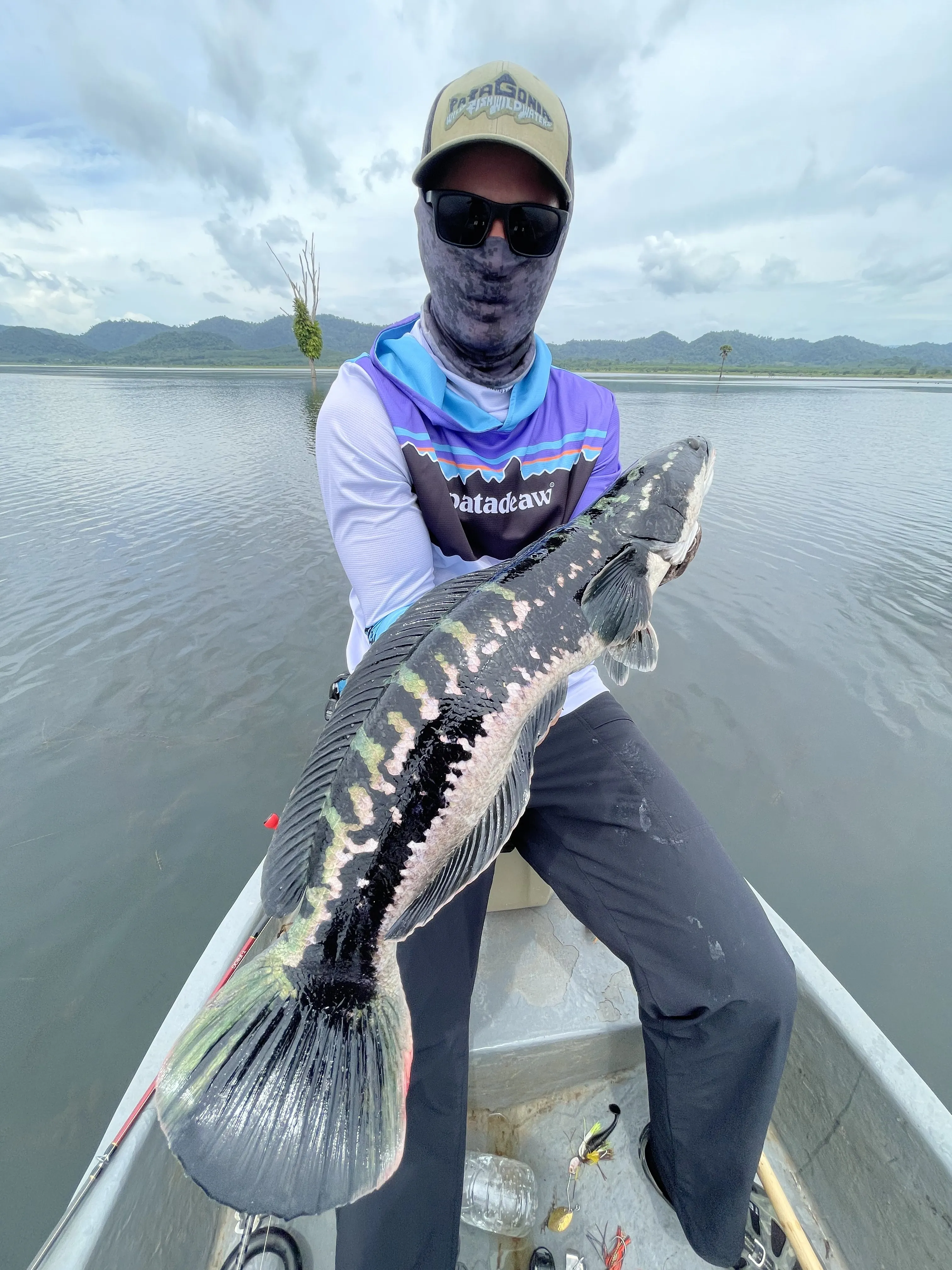
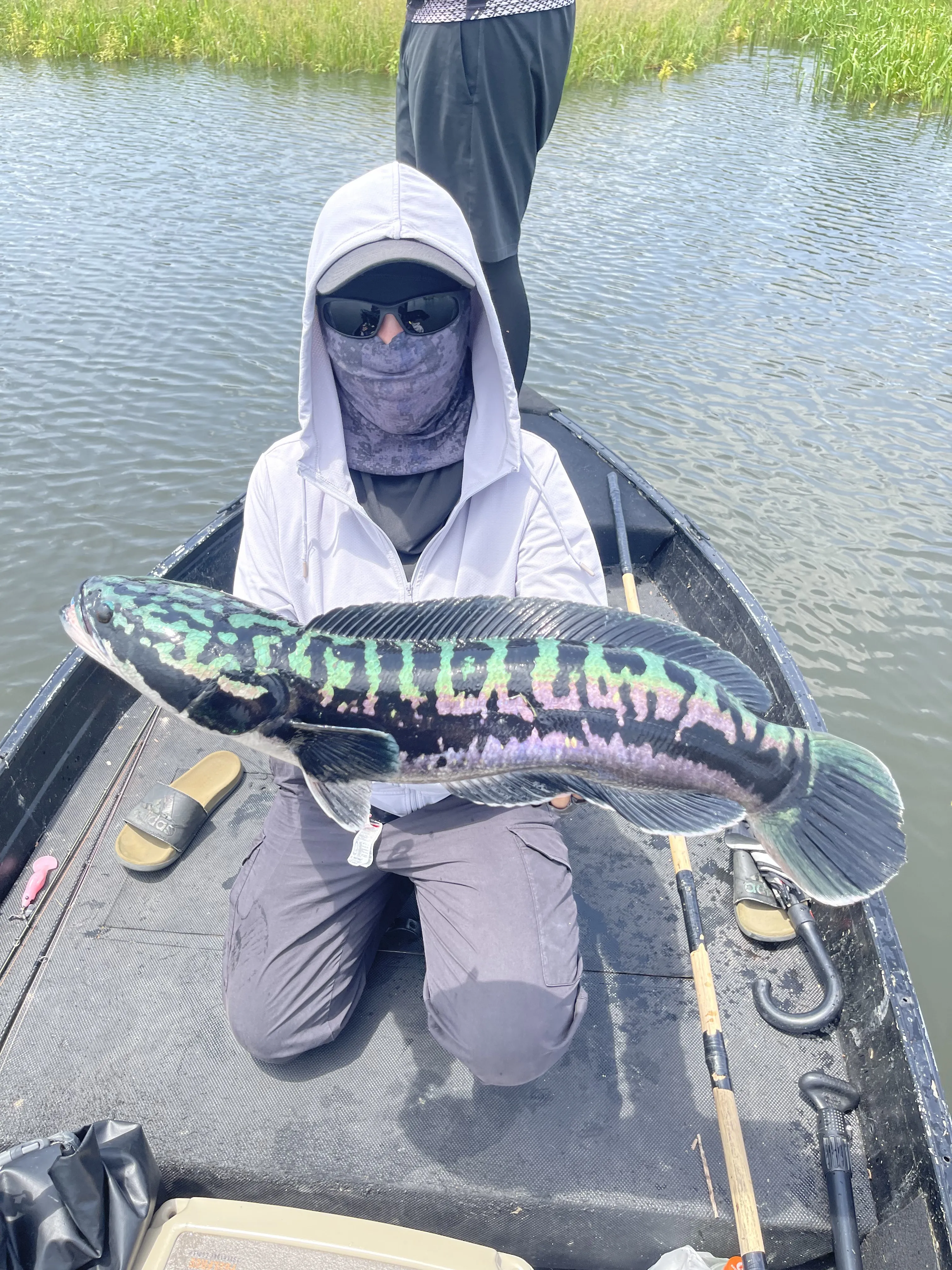
How to Target Momma Snakehead with Spinnerbaits in Thailand
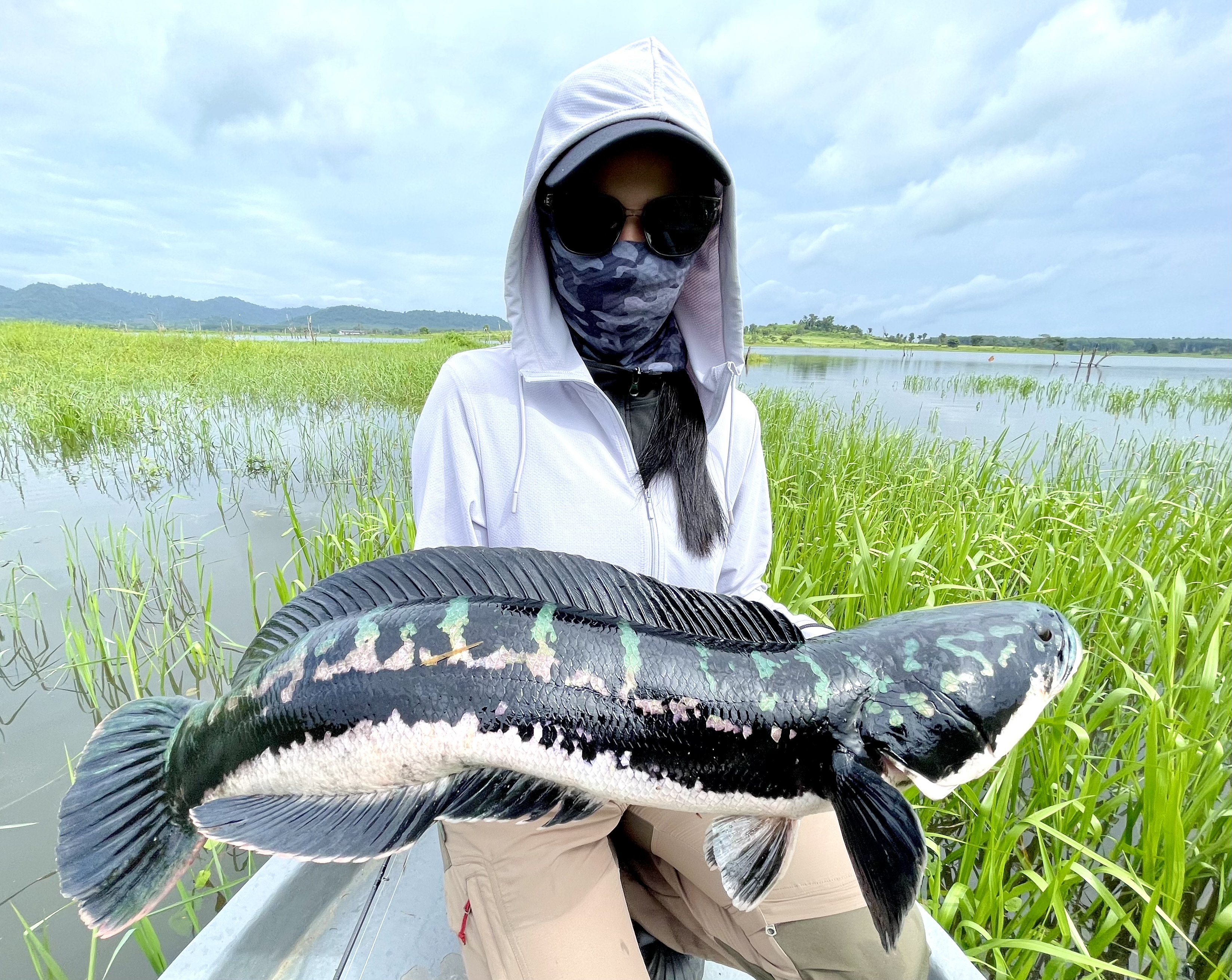
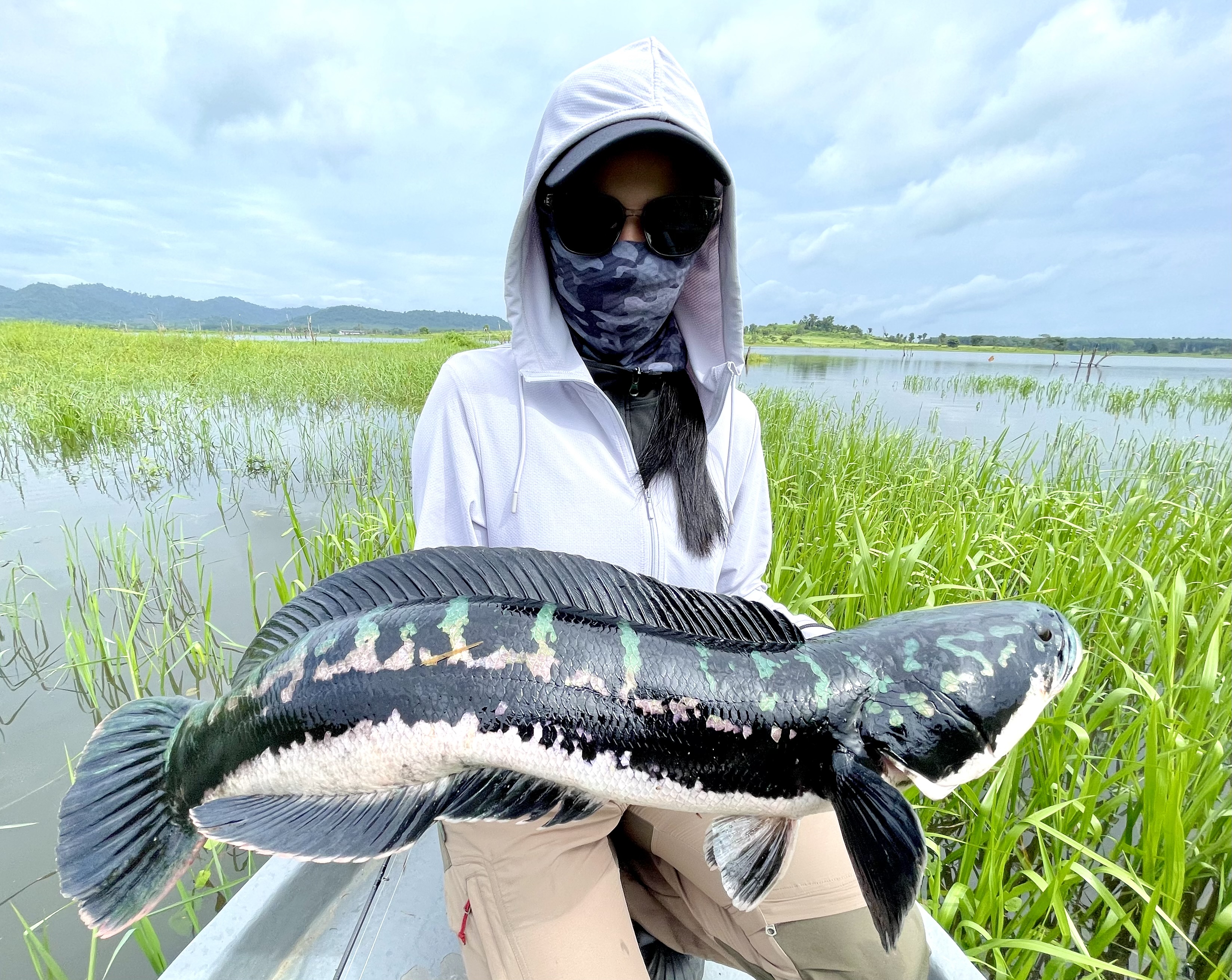
Targeting momma snakehead with spinnerbaits in Thailand is one of the most aggressive and visual freshwater techniques you can fish.
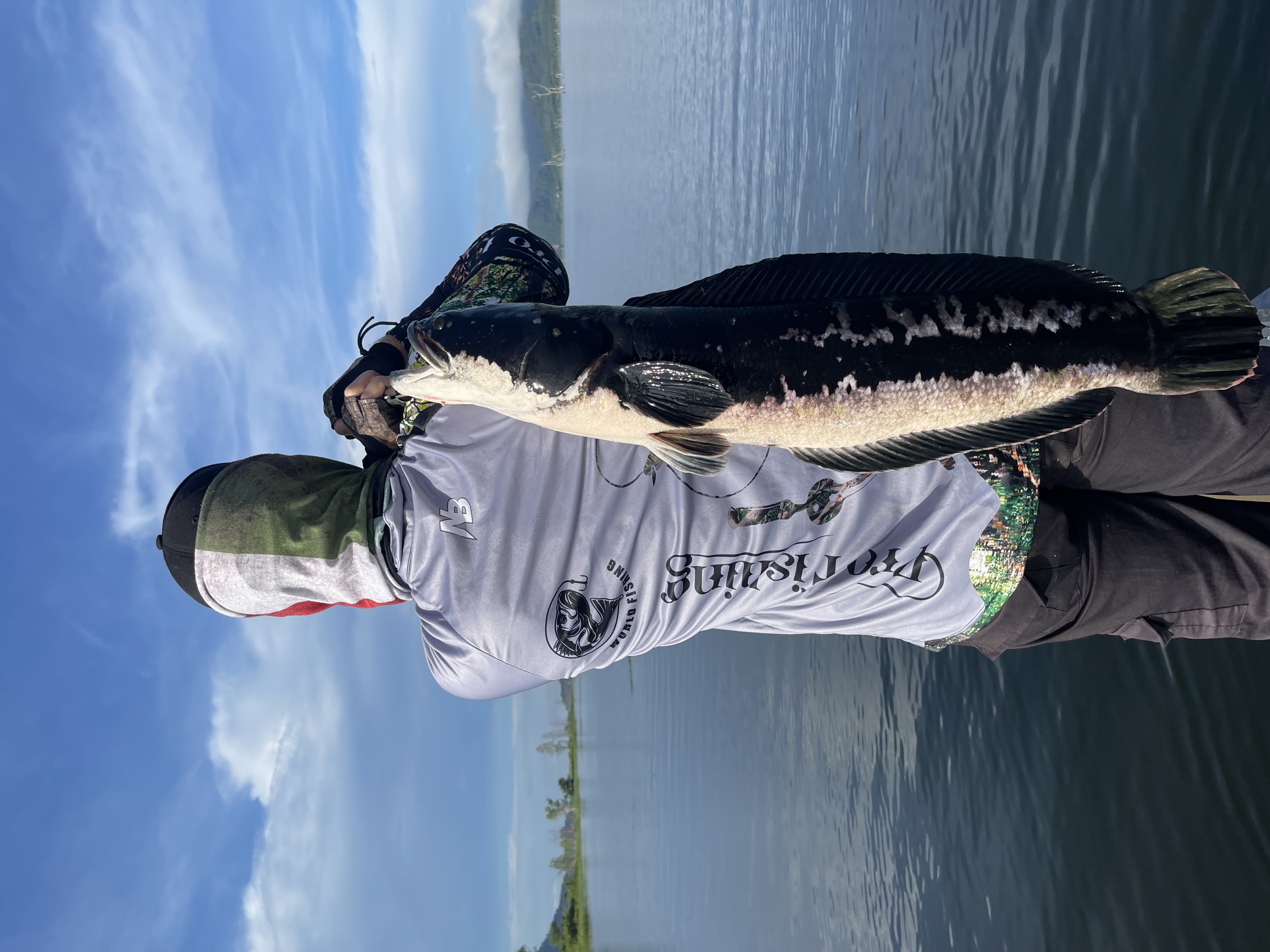
This is not random casting over open water. You are hunting protective fish that are locked onto a fryball and willing to hit anything that looks like a threat.
When it happens, it happens fast.
In Thailand’s lakes, rivers, canals, and flooded margins, giant snakehead guard their fry hard during the wet season. That gives anglers a short window where a properly placed spinnerbait can trigger explosive reaction bites from some of the biggest wild snakehead you will see all year.
Why Spinnerbaits Work on Fryball Fish
The whole system works because of pressure, intrusion, and reaction.
A fryball is not just a school of baby fish. It is a moving alarm zone. When you put a spinnerbait close enough to that zone, the guarding fish often do not feed out of hunger. They hit to remove the threat.
That is why spinnerbaits are so effective here.
They give you:
- flash
- vibration
- profile
- enough weight to punch into the zone
- good hook strength for heavy fish
- better movement through cover than many open-hook alternatives
Spinnerbaits are not being used as general search baits here. They are being used specifically to provoke guardian fish around fryballs.
The Best Season for Fryball Fishing in Thailand
If you want to fish this pattern properly, timing matters.
Monsoon Months Are Prime
The main fryball window runs from roughly May to October, when monsoon rains push up water levels and create ideal spawning conditions in lakes, rivers, canals, and flooded paddies.
As the water spreads into grass, pads, and shallow cover, giant snakehead move into areas that are perfect for spawning and fry protection.
That is when this technique comes alive.
What the Fryball Looks Like
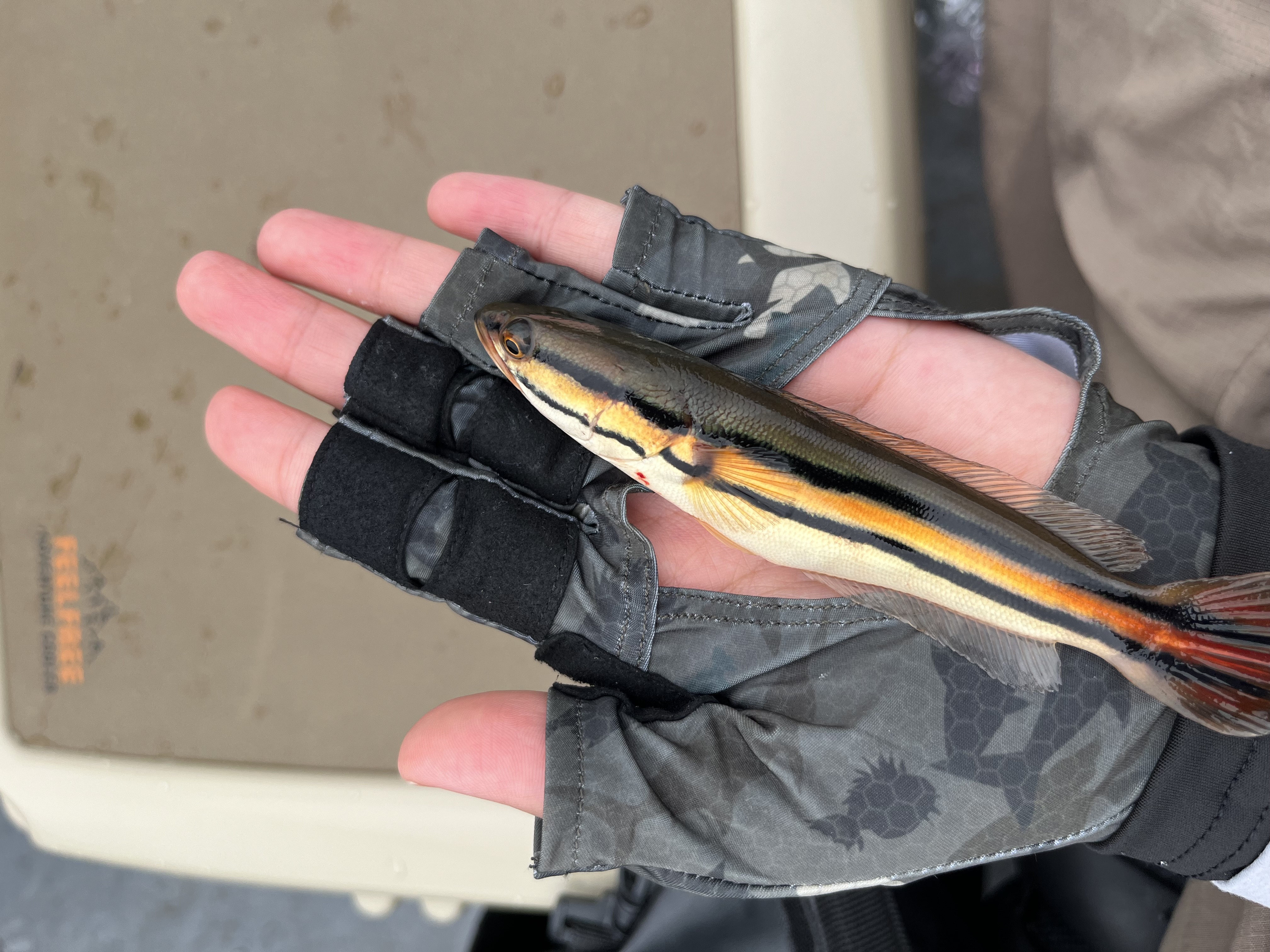
Young fryballs are often easiest to spot when they are still bright red.
Later, they darken and blend more with the water, which makes them harder to read from distance. The adults are often right beside or below the fryball.
Look for:
- tight surface clusters
- small ripples in one concentrated patch
- red fryballs in younger stages
- darker, tighter schools later on
- nearby adult rises or subtle movement under the group
Where to Find Momma Snakehead Guarding Fry
Do not overcomplicate the search.
These fish usually set up where shallow cover, protection, and breathing access all meet.
Key Zones
Focus on:
- flooded grass
- weed beds
- lily edges
- shallow back bays
- canal margins
- submerged structure near vegetation
- paddies and flooded flats during high water
Fryballs consistently turn up in grassy, weedy, vegetated areas, especially around pads and submerged structure.
Where the Adult Fish Sit
A lot of anglers make the mistake of only looking at the fry.
The fish you want is usually not sitting on top of the action. The momma often holds beneath, behind, or slightly off the fryball, especially in thicker cover. That positioning matters a lot for cast placement.
Choosing the Right Spinnerbait
Not all spinnerbaits are built for giant snakehead.
This is one place where standard bass gear can cost you fish.
1. Durability Matters
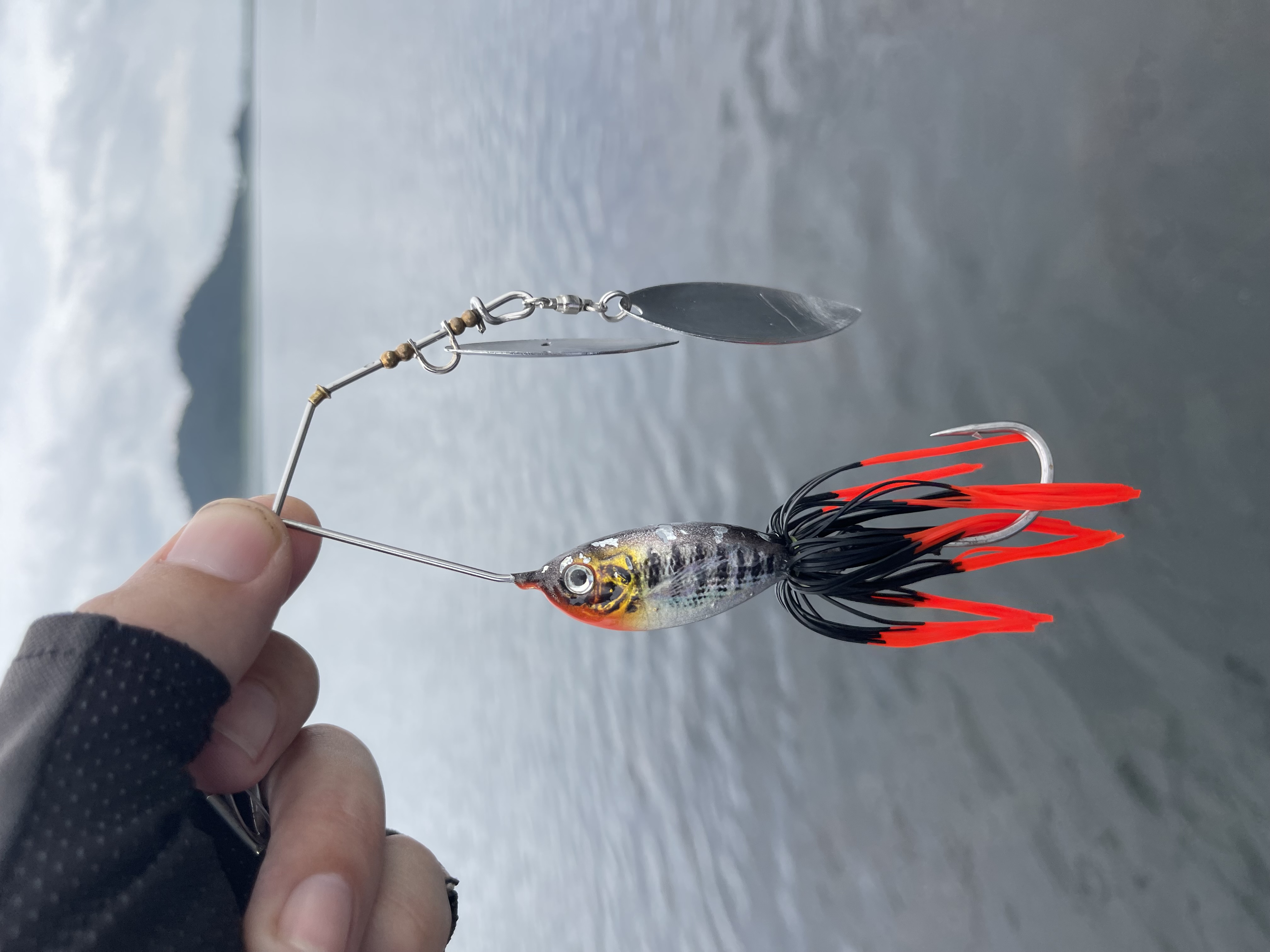
Regular bass spinnerbaits can bend or open up under the strain of a big momma snakehead, especially fish over 8 kg. I use locally made models with stronger wire and hooks built for Thailand’s fishery.
Giant snakehead have:
- hard mouths
- brutal head shakes
- strong first runs
- a habit of driving straight into cover
Weak wire is a liability here.
2. Single Blade vs Double Blade
This is one of the most useful distinctions to get right.
Single-blade spinnerbaits are better in dense grass and heavy weeds because they slip through openings more cleanly and snag less.
Double-blade spinnerbaits give you more flash and vibration, which is excellent in lighter vegetation, but they pick up weeds more easily.
Practical rule:
- thick cover = single blade
- cleaner lanes or lighter vegetation = double blade
3. Weight Selection
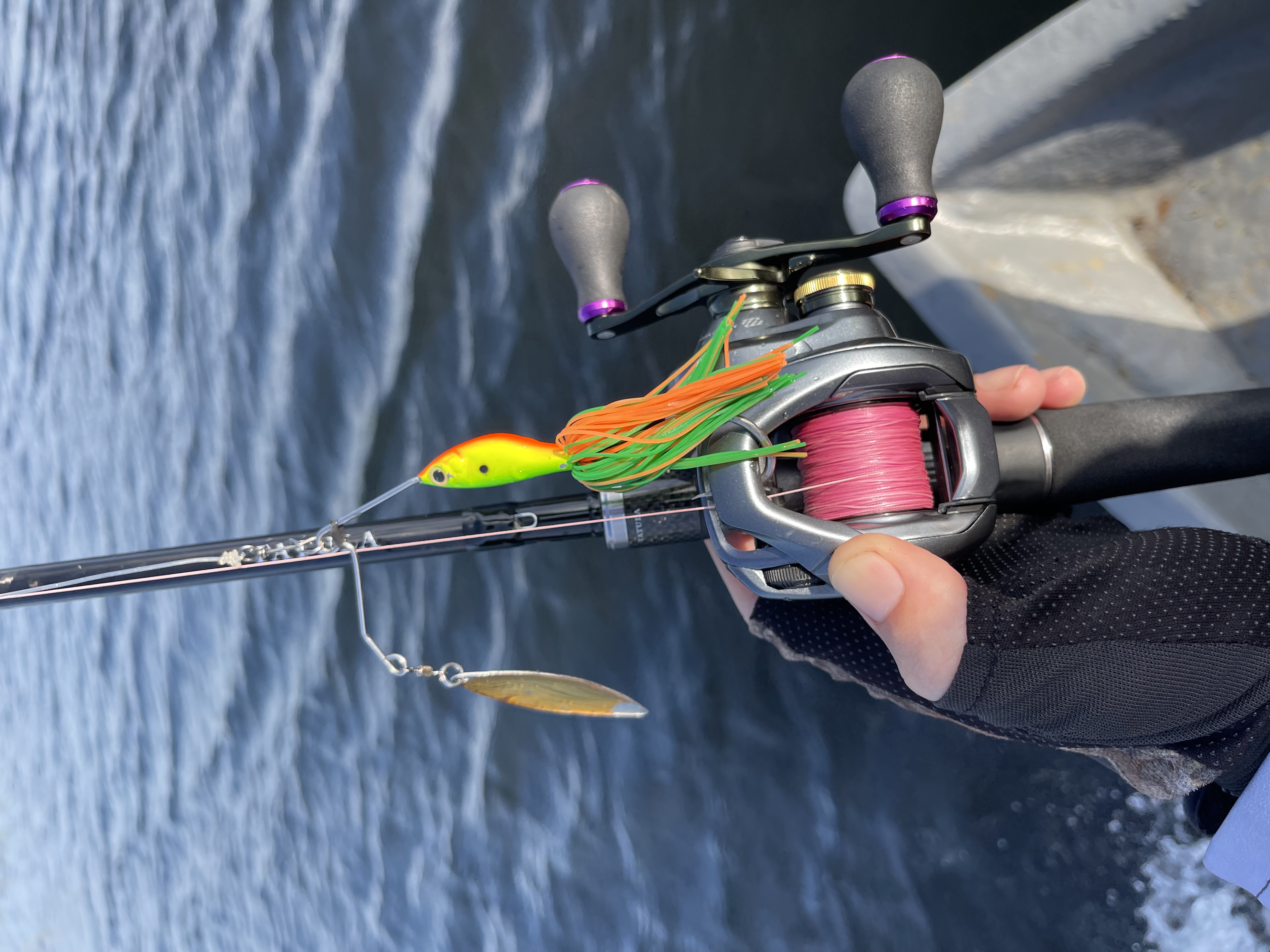
I recommend spinnerbaits around 30 grams for casting control and for getting the lure down through the fryball zone in both shallow and slightly deeper water.
That heavier profile helps with:
- accurate casting
- controlled fall
- keeping the lure in the zone
- maintaining feel during short, slow retrieves
Favorite Spinnerbait Styles for This Pattern
These are three locally made options I use specifically for fryball fishing in Thailand.
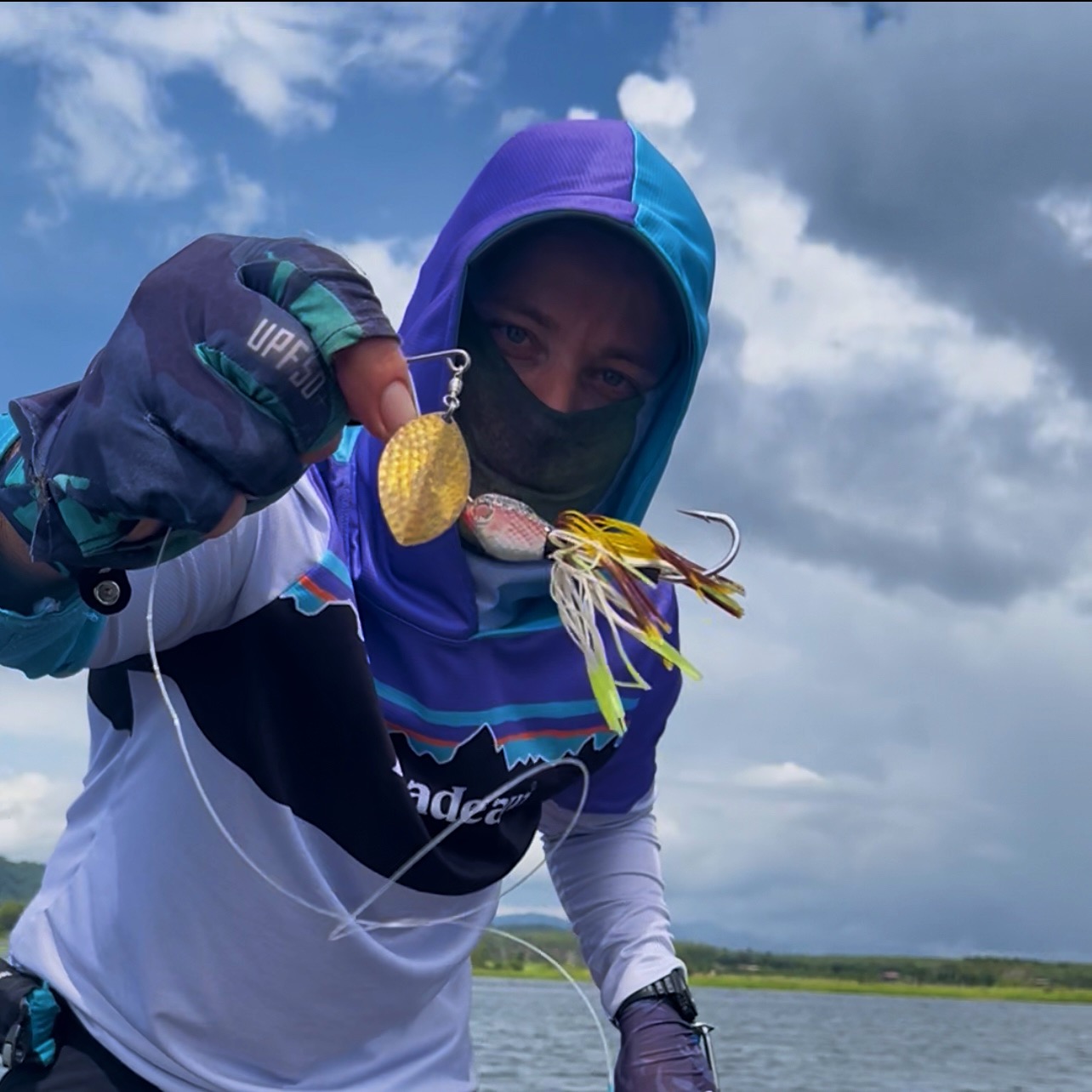
King Frog Spinnerbait
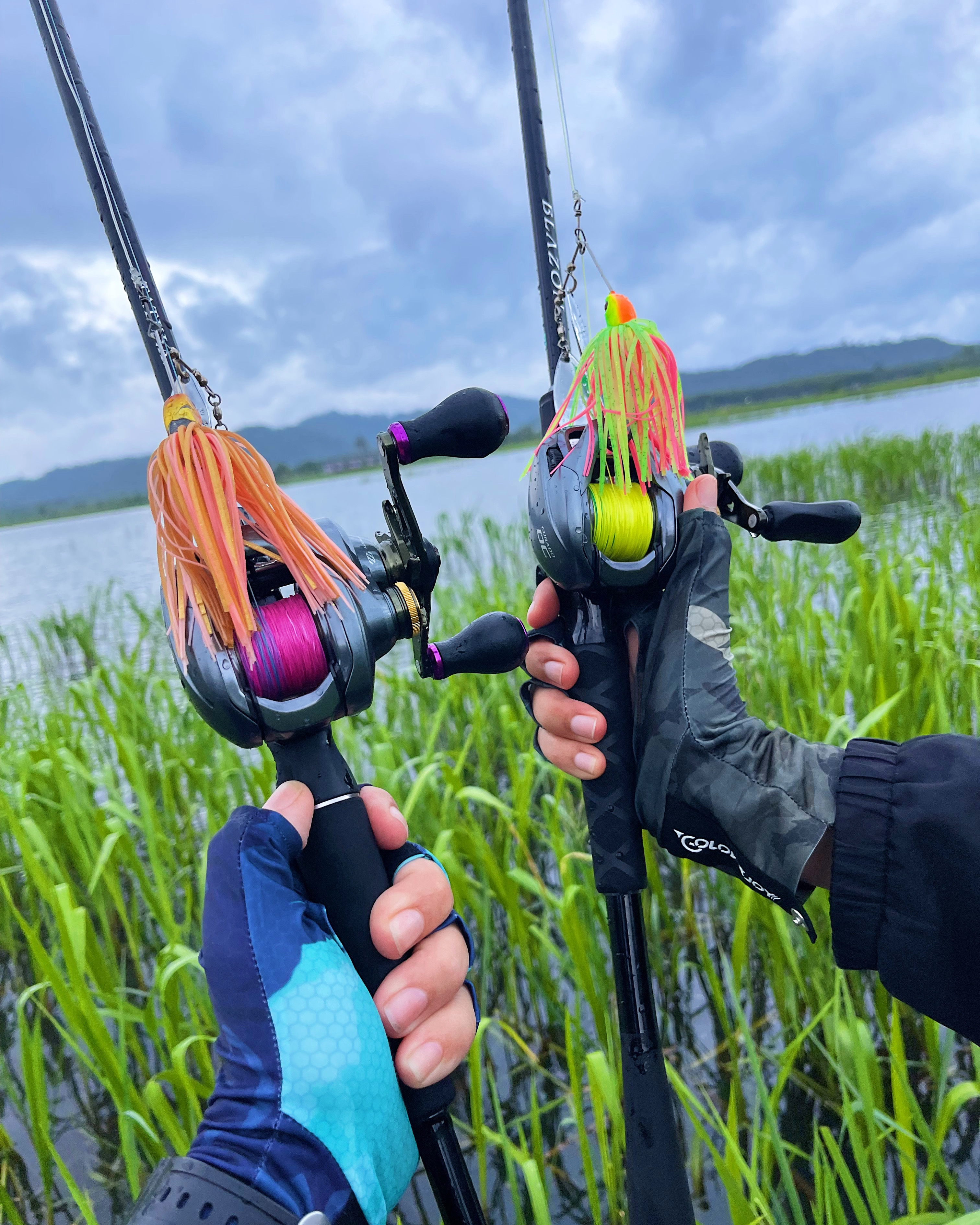
A strong option when you want robust hardware and good visibility.
Bright greens and pinks are my preferred colors, especially for tracking the bait during the retrieve.
Temkham Spinnerbait
This one is positioned as a heavy-cover choice.
The single-blade format is especially useful when you are trying to drop into thicker weeds without hanging up constantly. It is my first pick for dense vegetation.
Owen C Spinnerbait
Used as a more flexible option.
It works in both single- and double-blade setups and is strong on vibration, which matters when you need the fish to react immediately.
How to Cast at Fryballs Properly
This is where the technique is won or lost.
Spinnerbaits for momma snakehead are usually not blind-cast tools. You use them once you have found the fryball and read where the guarding fish is likely positioned.
In Less Weedy Areas
When the area is more open, a double-blade spinnerbait makes sense.
My approach is to cast about 2 feet behind the fryball, engage the reel immediately, and retrieve ultra slowly so the spinnerbait falls on an angle with the blades turning. That slow angled drop creates flash and keeps the lure in the strike zone longer.
This is a controlled intrusion, not a fast burn.
In Dense Weedy Areas
When the cover is thick, I use a different move: cast a single-blade spinnerbait directly onto the fryball, keep the reel in freespool, and let the lure sink through the school toward the fish holding underneath.
That sounds aggressive, but in heavy cover it makes sense because:
- the fish is often buried under the fry
- the spinnerbait needs to drop vertically into the zone
- long horizontal retrieves are less effective there
- you are forcing an immediate defensive reaction
If there is no bite on the drop or within the first few meters of slow retrieve, reel up and make another cast.
Do not waste time dragging the bait all the way back to the boat. The fish usually stays with the fryball, so repeated short-zone casts are the better play.
Retrieve Speed and Strike Trigger
This is not a wide-sweeping retrieve technique.
The best presentations here are short, controlled, and committed.
In lighter cover, the ultra-slow falling retrieve matters because it keeps the blades turning while the bait drops through the danger zone.
In thicker cover, the drop itself may trigger the bite before the retrieve even begins.
That is why this style of fishing feels so intense. The strike often comes:
- on the fall
- in the first meter or two
- right after the bait enters the fry zone
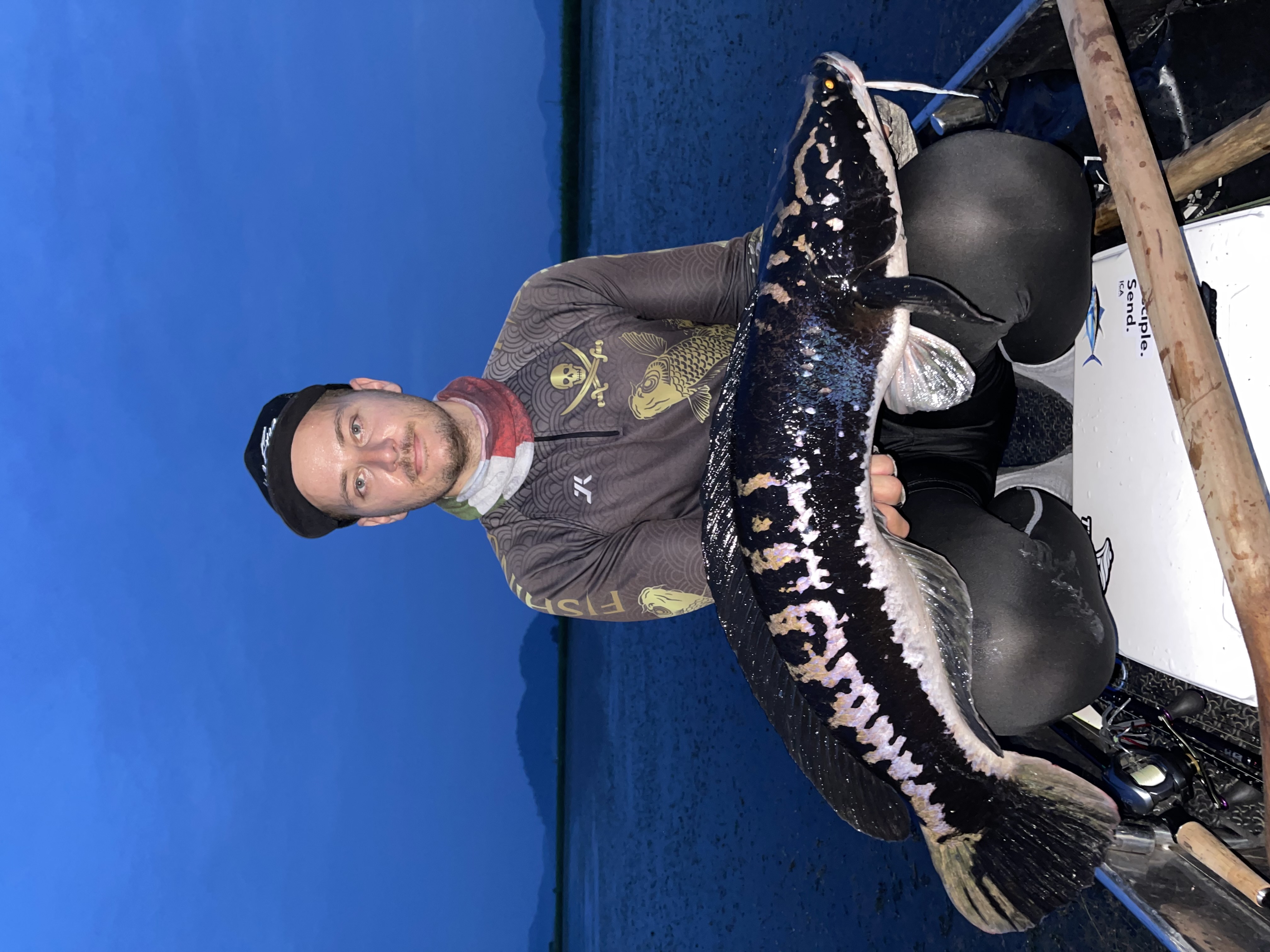
What Happens on the Bite
When a big momma commits, things go ugly fast.
These fish may swipe at the blades and miss the hook on early attempts, so persistence matters. You need a hard hookset to drive steel into the fish’s bony mouth.
You are not dealing with a soft-mouthed fish in open water. You are dealing with a violent predator in cover.
Drag Setup
Set the drag extremely tight, almost to the point where it is barely possible to pull line by hand, so the fish cannot immediately bury into weeds or structure.
That only works if your tackle is heavy enough to support it.
The goal is simple:
- stop the first surge
- keep the fish moving toward you
- do not give it time to wrap up
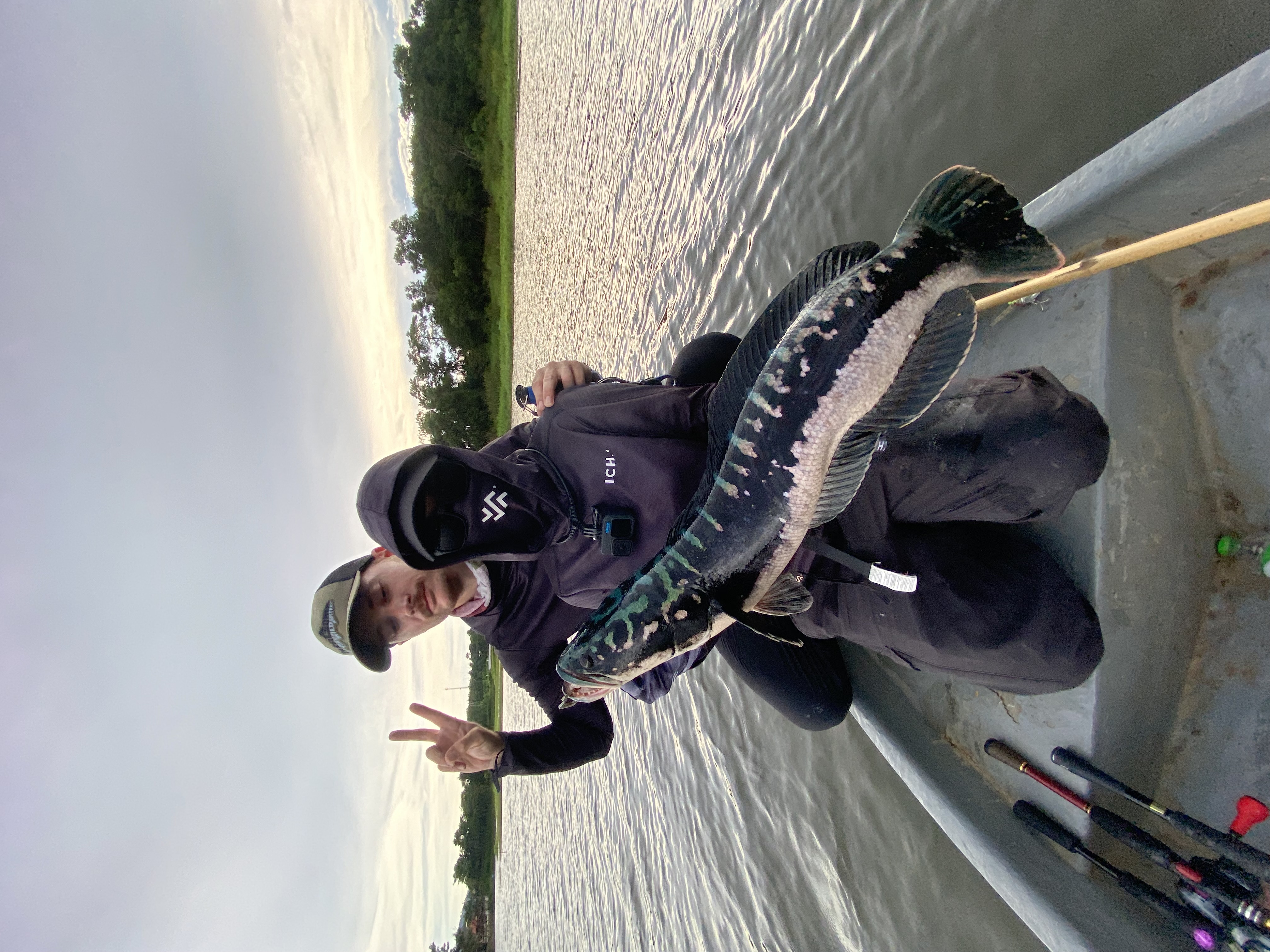
Have the Net Ready
A fish this size in cover is not one you want to fumble at boatside.
Keep a net within reach.
Common Mistakes with Spinnerbaits on Fryballs
Using Weak Hardware
This is the fastest way to lose your best fish.
If the spinnerbait bends open, the whole cast meant nothing.
Choosing the Wrong Blade Setup
Double blades in thick grass can become a mess.
Single blades in lighter cover may still work, but sometimes you give up useful flash and vibration for no reason.
Retrieving Too Far Past the Zone
Once the bait leaves the fryball area, the chance usually drops hard.
Repeated recasts beat working the lure all the way back.
Not Setting Hard Enough
Big snakehead do not always pin themselves cleanly.
You need to hit them properly.
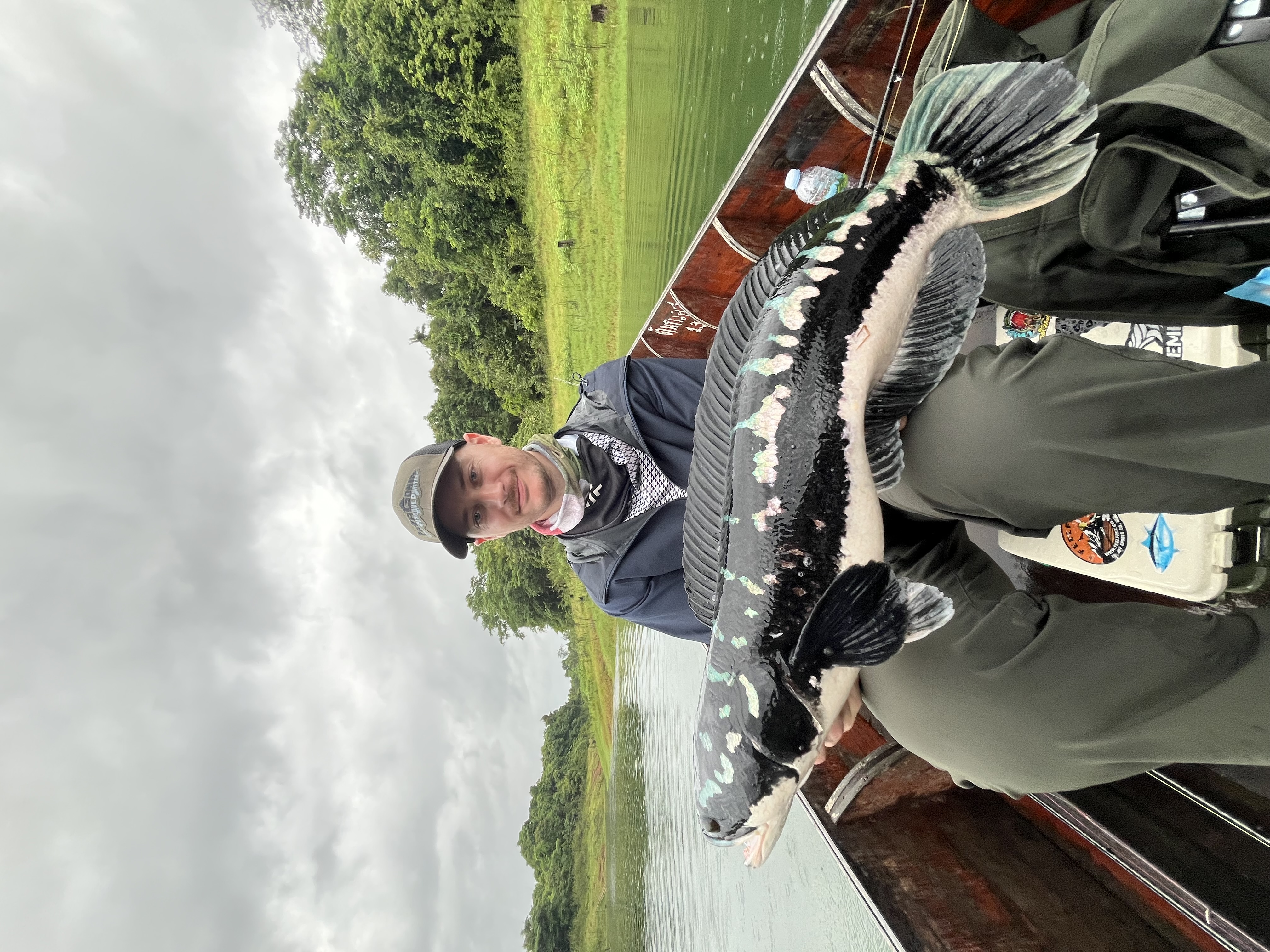
Josh’s Pro Tip
Do not get lazy after the first miss.
A guarding momma snakehead can swipe at the blades, miss the hook, and still be catchable on the very next cast. Recast fast, keep the bait in the fryball zone, and treat every follow-up shot like the fish is still fully switched on.
A lot of the best fish on this pattern come on the second or third correct presentation.
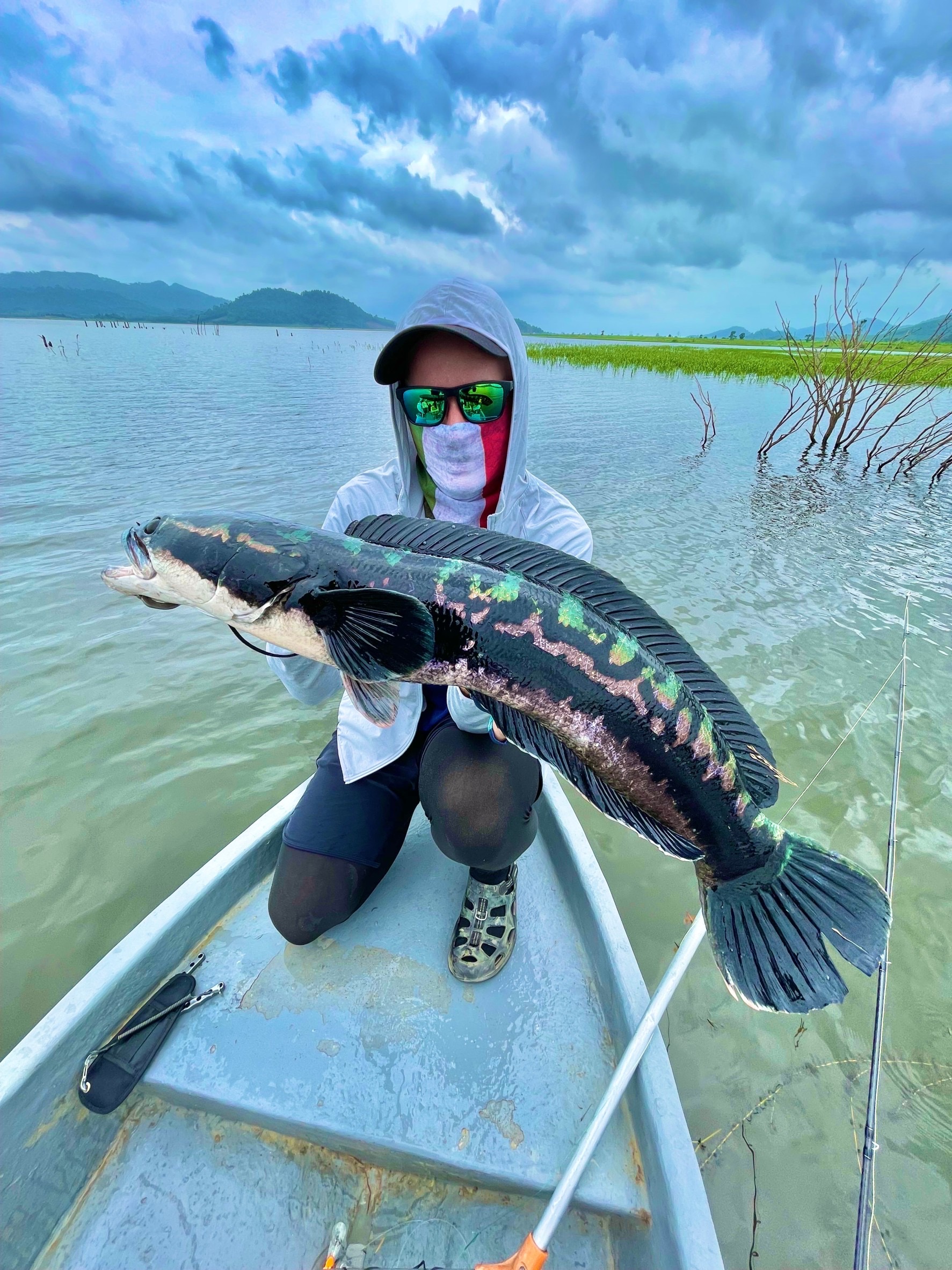
Where This Fits in Your Thailand Snakehead Game
This is a specialist technique, but a very powerful one.
If you are fishing during the wet season and actively hunting giant snakehead, spinnerbaits deserve a place in the boat. They give you a direct answer for guarded fryballs that is different from your normal topwater lures, sight casting, or soft plastic setups.
If your goal is to target some of the biggest, most aggressive snakehead in the system, this pattern is one of the clearest high-upside windows you get all year.
What to Do Next
If you are planning a Thailand snakehead trip during the monsoon period, start preparing specifically for fryball fish.
That means:
- carry both single- and double-blade spinnerbaits
- build heavier tackle around tight drag settings
- spend more time scanning shallow grass and flooded cover
- make short, intentional casts instead of random fan casting
This is not the technique for covering miles of dead water.
It is the technique for making one very good cast at one very good fish.
FAQ
What is the best spinnerbait for momma snakehead in Thailand?
A heavy-duty locally made spinnerbait is usually the better option because giant snakehead can bend standard bass spinnerbaits. Single blades are strongest in dense weeds, while double blades work well in more open vegetation.
When is the best time to target fryball snakehead in Thailand?
The main window is during the monsoon season, roughly May to October, when rising water creates ideal spawning and fry-guarding conditions.
Should I cast behind the fryball or into it?
It depends on the cover. In less weedy water, casting behind the fryball and letting the bait fall back through the zone works well. In dense cover, dropping a single-blade spinnerbait directly into the fryball can be the better trigger.
Why are spinnerbaits so effective on guarding snakehead?
They combine flash, vibration, and a compact threatening profile that provokes protective reaction strikes from the adult fish guarding fry.
How tight should the drag be for giant snakehead in cover?
Very tight. The goal is to stop the first run before the fish reaches weeds or structure, but your tackle needs to be heavy enough to handle that pressure.