Night Shrimp Fishing on the Chao Phraya River
Fishing the Chao Phraya at Night
Night shrimp fishing on the Chao Phraya River is completely different from fishing during the day.
This was my second trip with the same boatman, but instead of starting before sunrise, we launched in the evening and fished all the way through until 5 a.m. the next morning.
I live in Rangsit, so getting there is easy. The meeting point is only around 15–16 kilometres from my house, which means even with Bangkok traffic, it usually takes less than 40 minutes to reach the river.
That’s one of the biggest advantages of this trip.
You can finish work, pack your gear, and be fishing the Chao Phraya the same night.
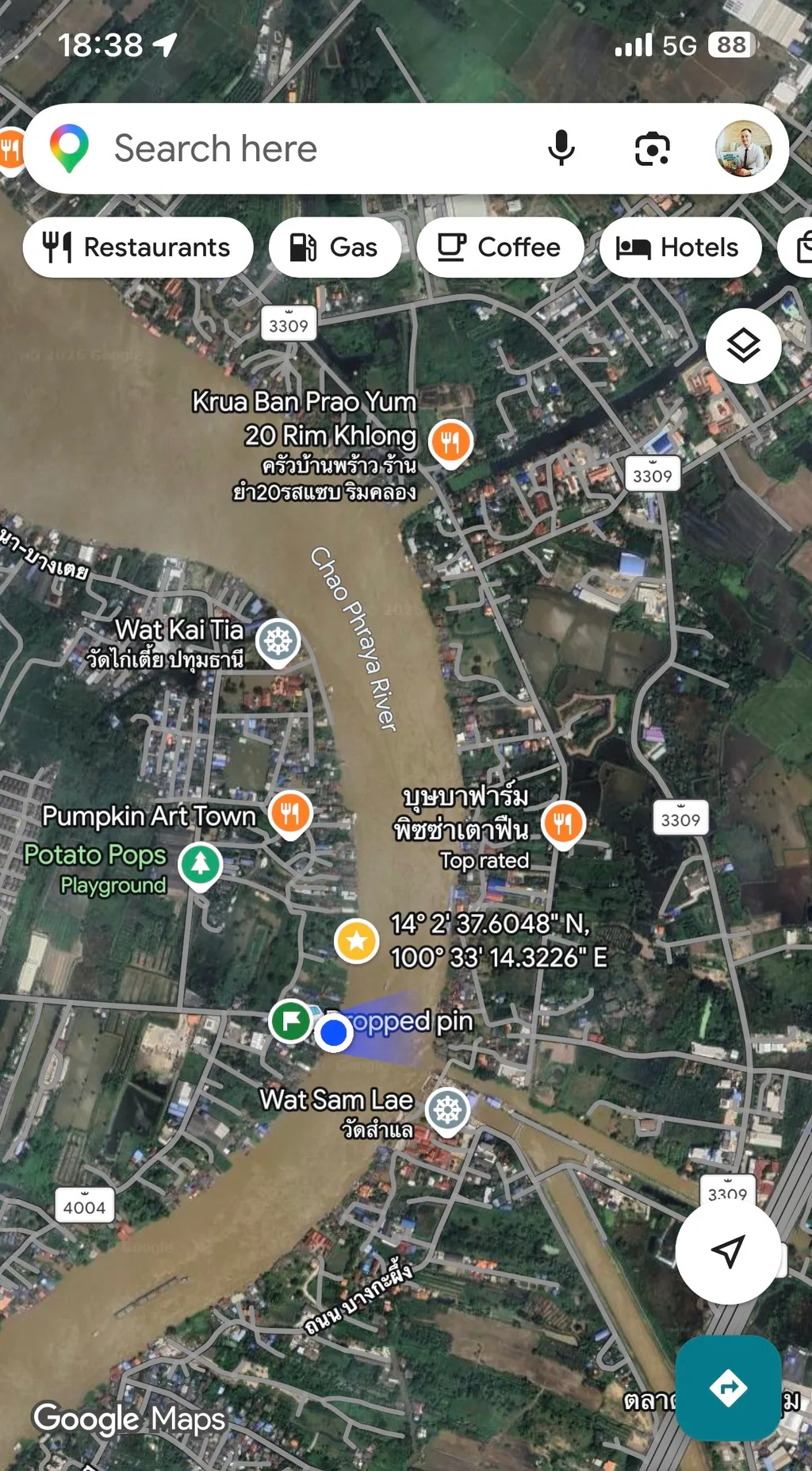
The Boat Setup and How the Trip Works
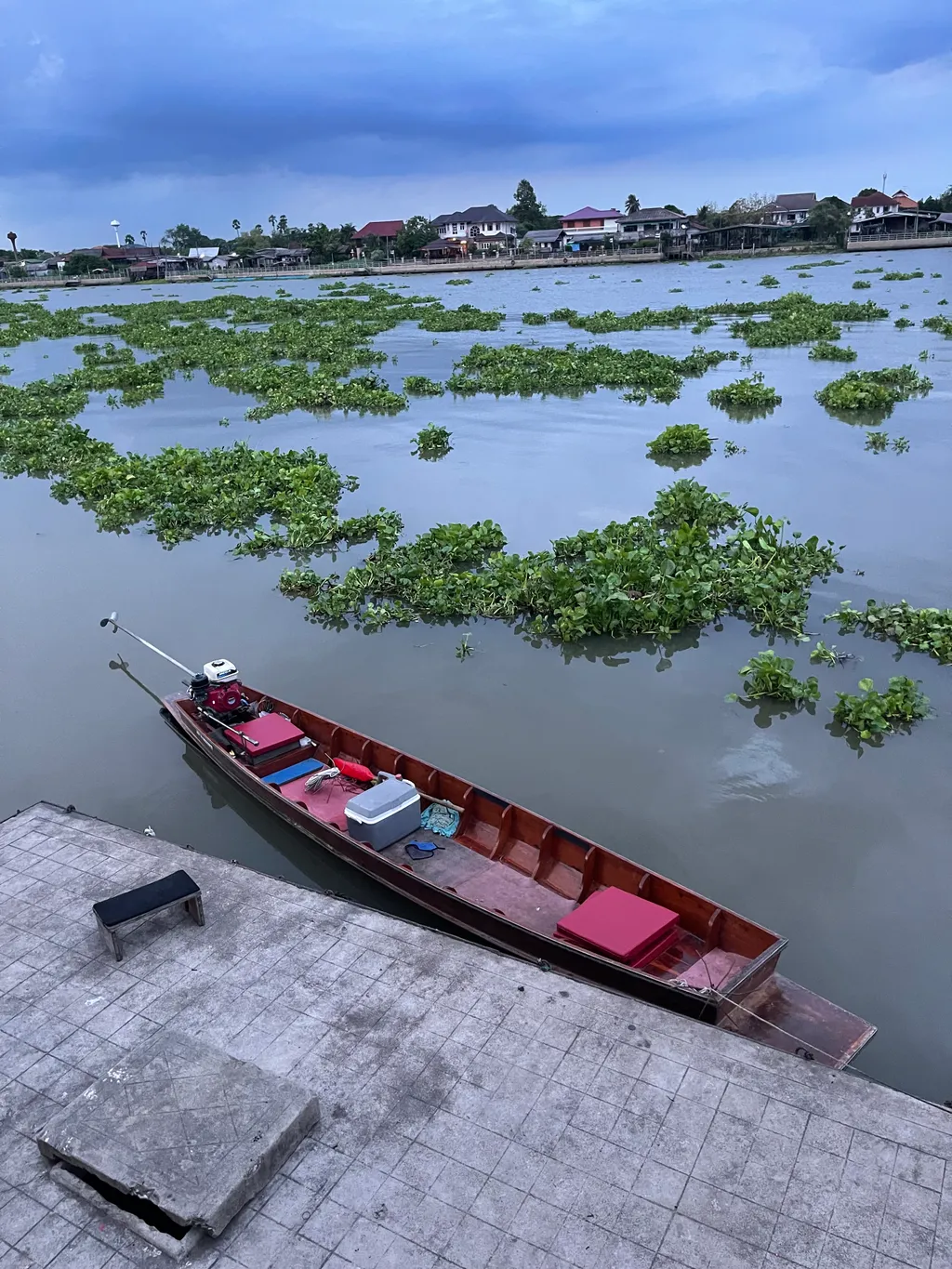
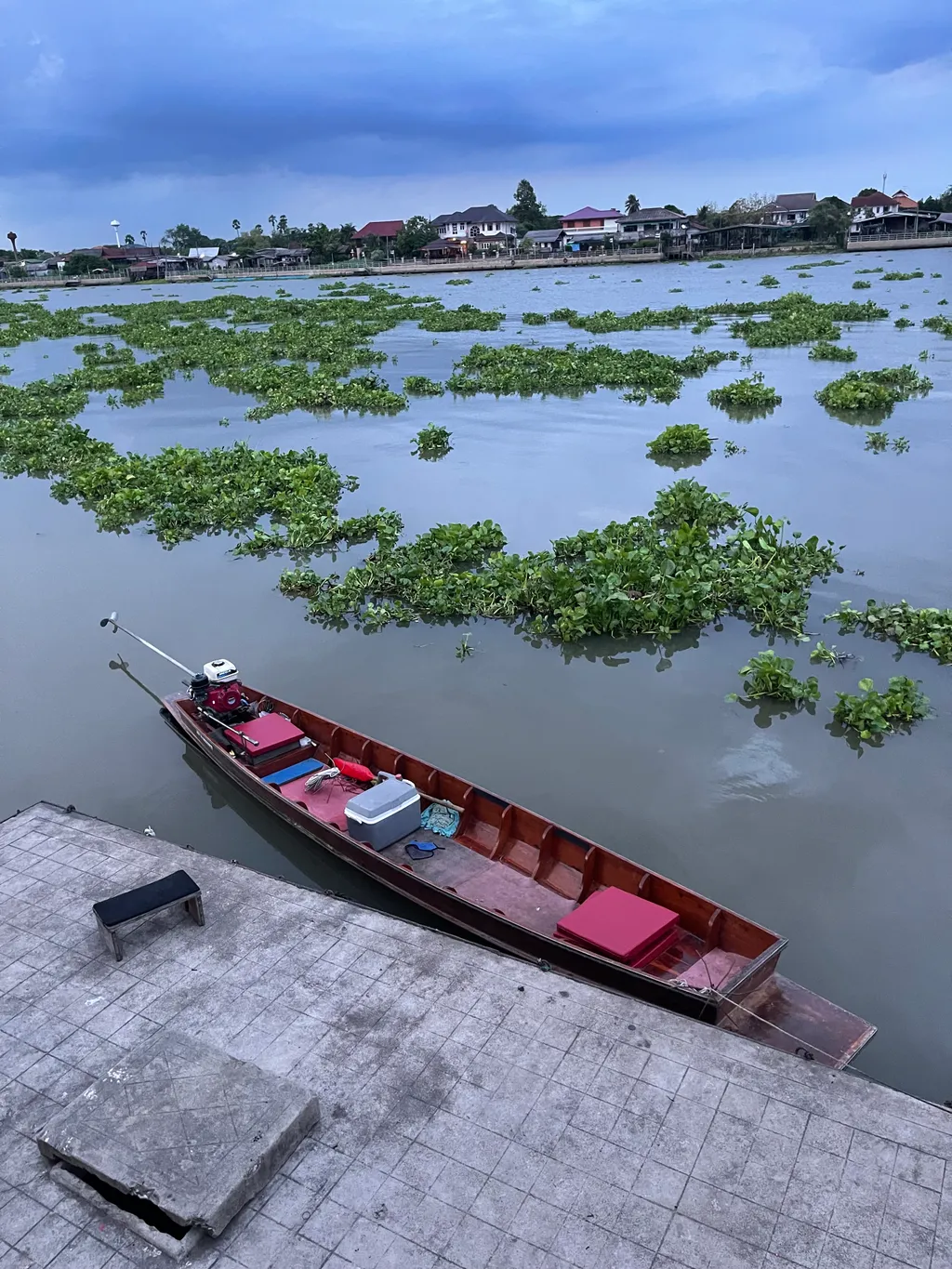
The boat itself is a traditional Thai wooden longboat, around 17–18 feet long.
It comfortably fits three anglers plus the boatman.
Just like my first trip, the boatman handled positioning the boat in the current using two anchors — one off the front and one off the back. That setup keeps the boat sitting straight with the current running down the length of the boat instead of sideways.
That part matters more than most people realise.
If the boat swings incorrectly, your rigs drift badly and the shrimp become much harder to hook consistently.
Trip Cost
The pricing is straightforward:
- 1,800 baht for two anglers
- 2,000 baht total for three anglers
The boatman also provides ice, water, and bait throughout the session.
Booking the Boatman
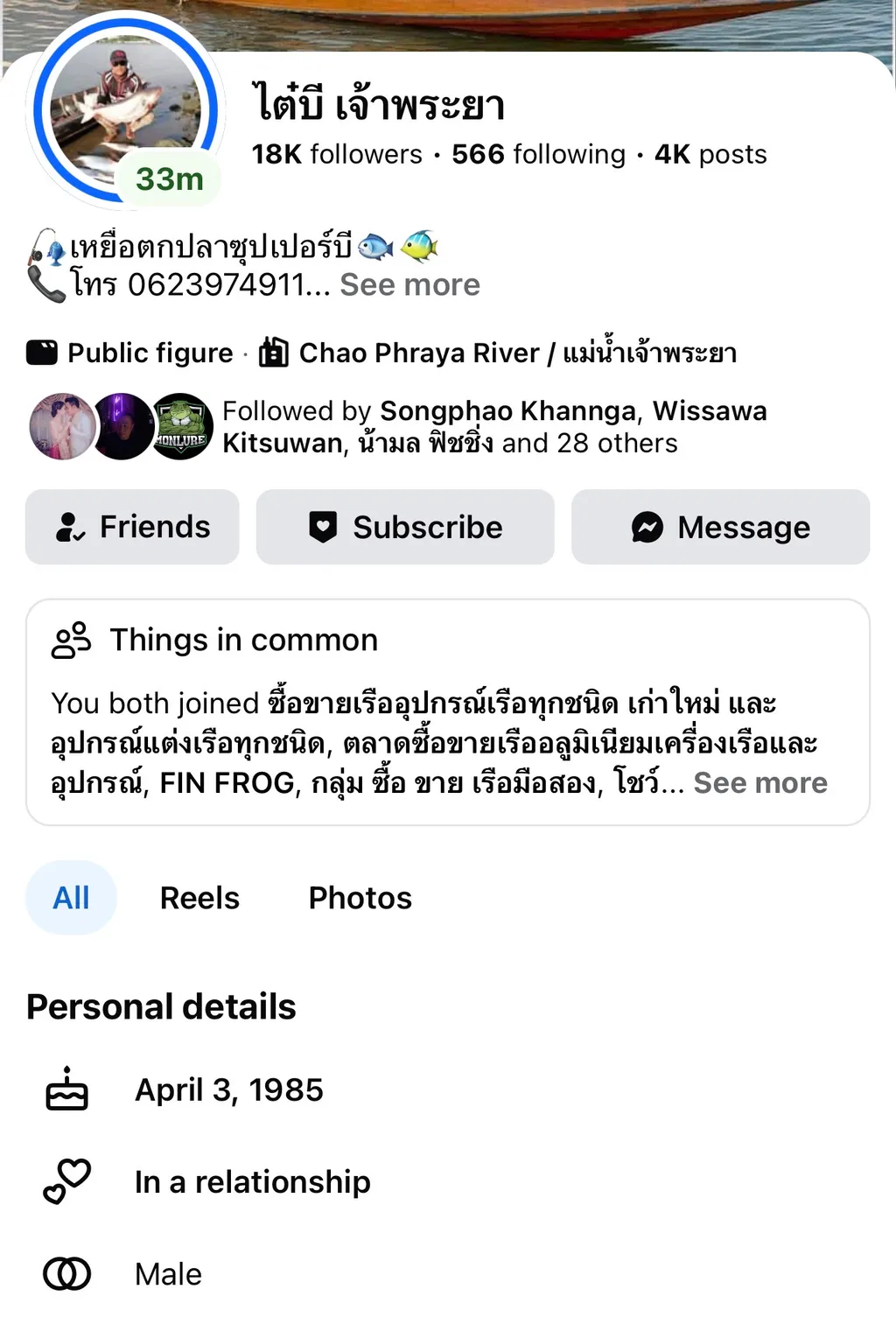
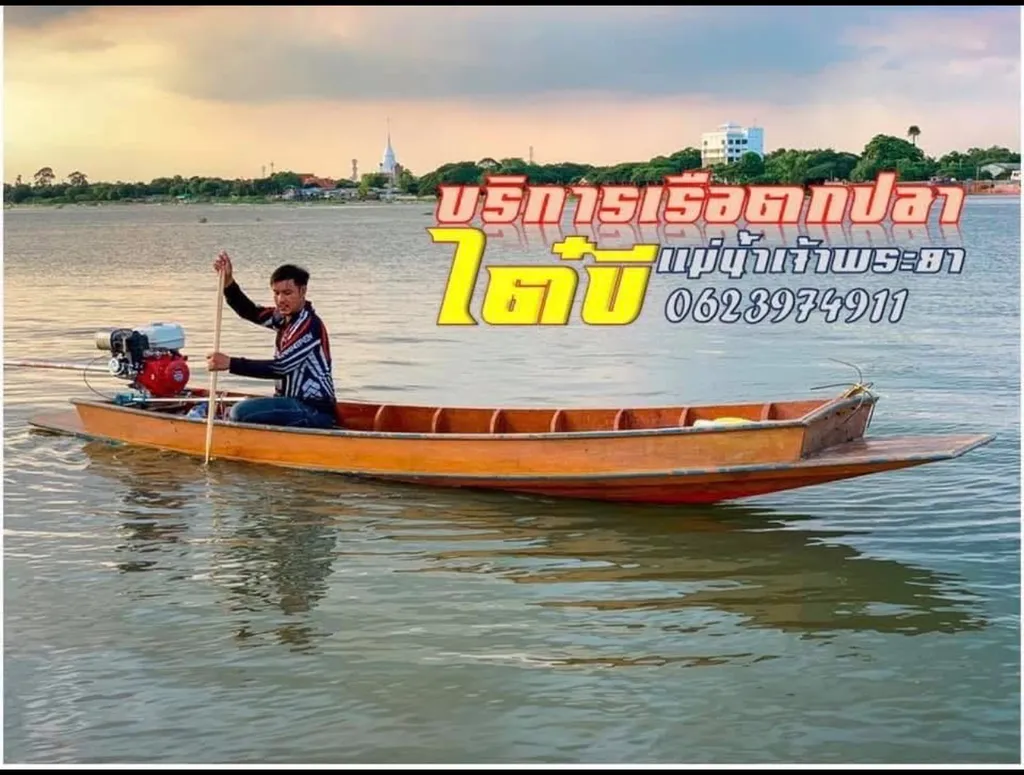
I’ll leave a screenshot of the boatman’s Facebook profile below since that’s the easiest way to contact him and organise a trip.
The Gear I Used
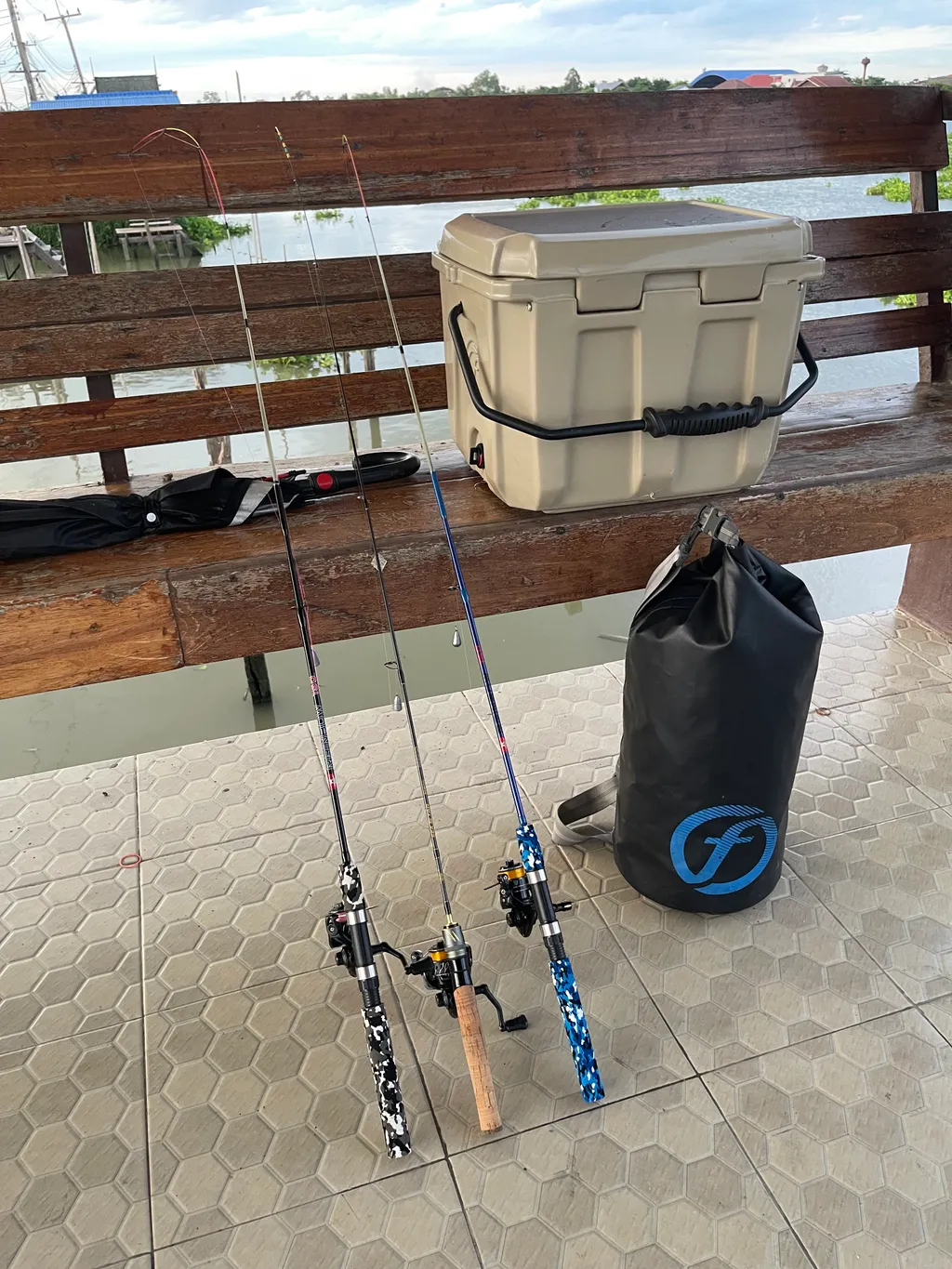
For this session, I ran three setups.
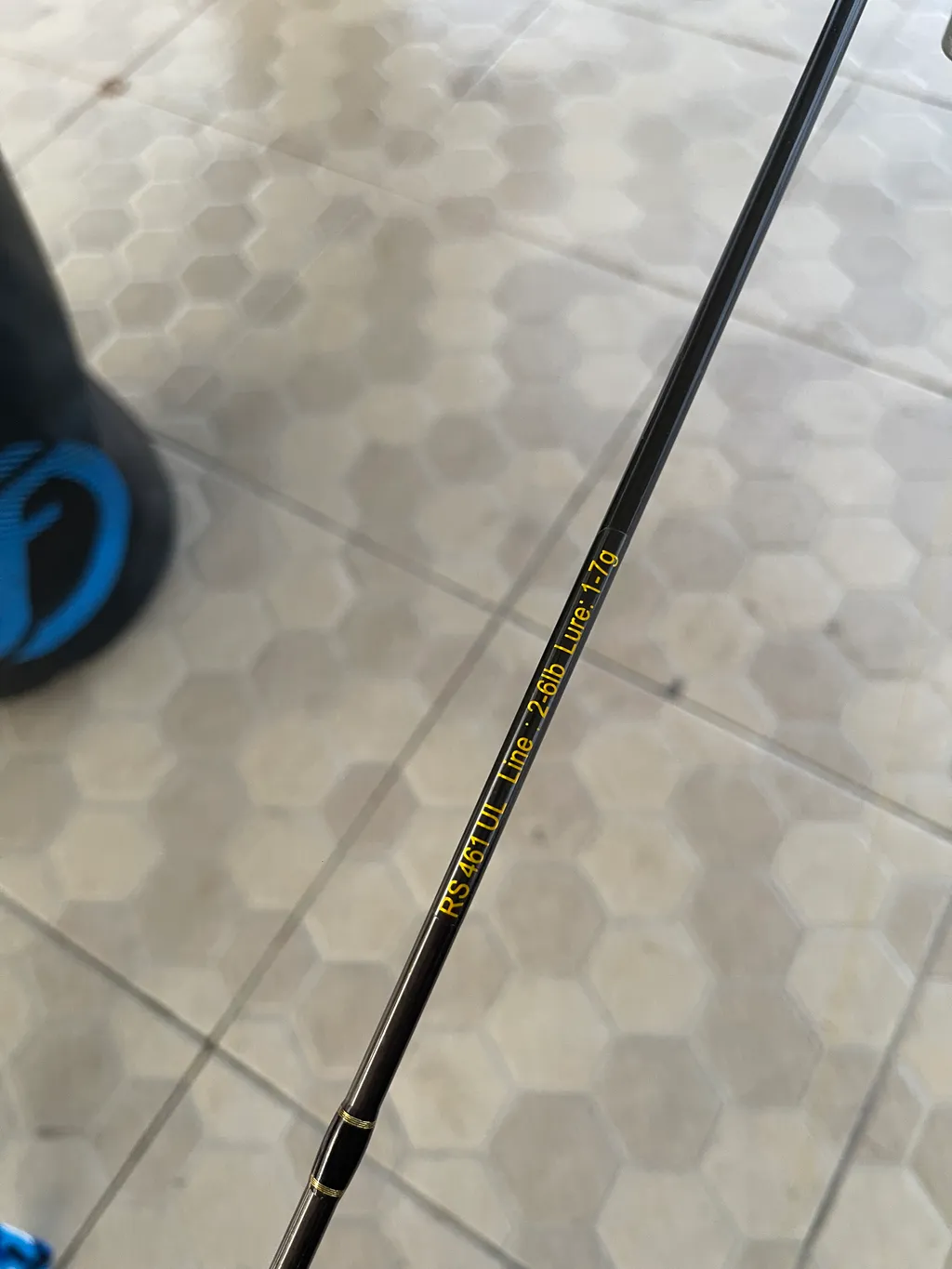
All three rods were ultra-light models rated for 2–6 lb line, and each one was spooled with 6 lb monofilament.
When shrimp fishing, softer rods make a huge difference because shrimp bites are far more subtle than fish bites.
A stiff rod simply doesn’t show enough movement.
Sinkers and Hooks
At night, we used lighter sinkers than I used during the daytime trip.
This session called for:
- 2.5 g to 5 g sinkers
- Small shrimp hooks (same hooks shown in Volume 1)
If you haven’t read the first article yet, I included close-up photos there of the exact shrimp hooks I use for these trips.
Why the Hook Set Matters
This was probably the biggest lesson from the night session.
Shrimp don’t hit bait aggressively like fish.
Most of the time, they slowly approach the bait, grab it, and start feeding on it. If you react too slowly, they simply strip the bait and move off.
Because giant river shrimp have a hard outer shell, you need to actively set the hook properly to pin them.
A lot of the bites feel tiny at first.
Sometimes it’s just a slight tap or the rod tip slowly loading up.
Miss the timing, and the bait is gone.
Josh’s Pro Tip
If you’re new to shrimp fishing, don’t strike hard like you would with a fish.
A short, controlled lift of the rod works much better.
Too aggressive, and you’ll either rip the hook away from the shrimp or pull the bait completely out of the strike zone.
What I Packed for the Overnight Session
Before launching, I took a photo of my setup for the night.
That included:
- My cooler box
- A dry bag
- Three fishing rods
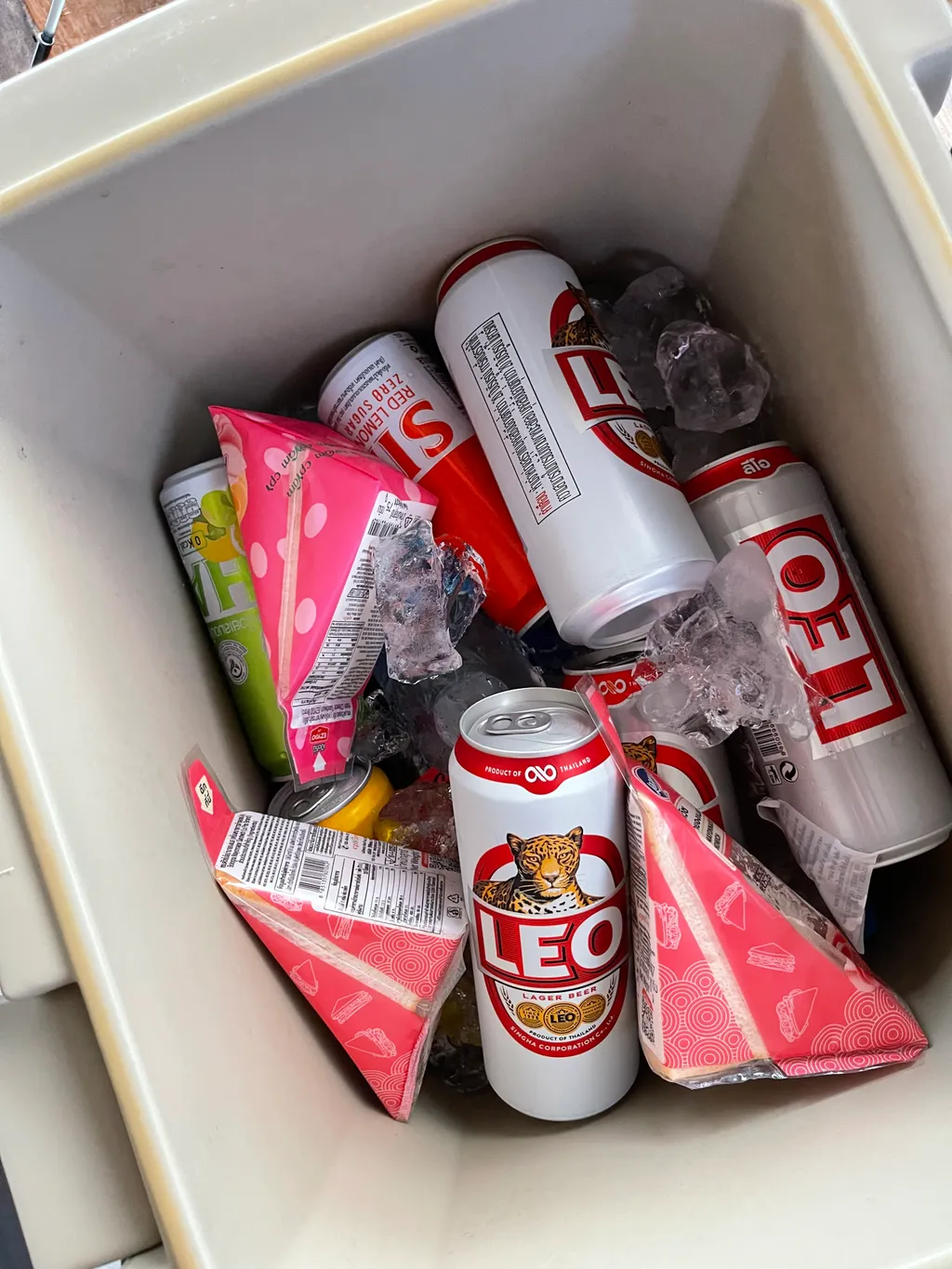
Inside the cooler box, I packed sandwiches, drinks, ice, and a few beers to get through the session comfortably.
When you’re fishing from 6 p.m. until sunrise, bringing your own food makes a massive difference.
Mosquitoes Were Surprisingly Fine
One thing I expected was mosquitoes.
Honestly, they weren’t bad at all.
There were a few around during the night, but nowhere near enough to ruin the session or make insect repellent necessary.
That surprised me considering we were sitting on a river all night.
More Than 50 Shrimp in One Session
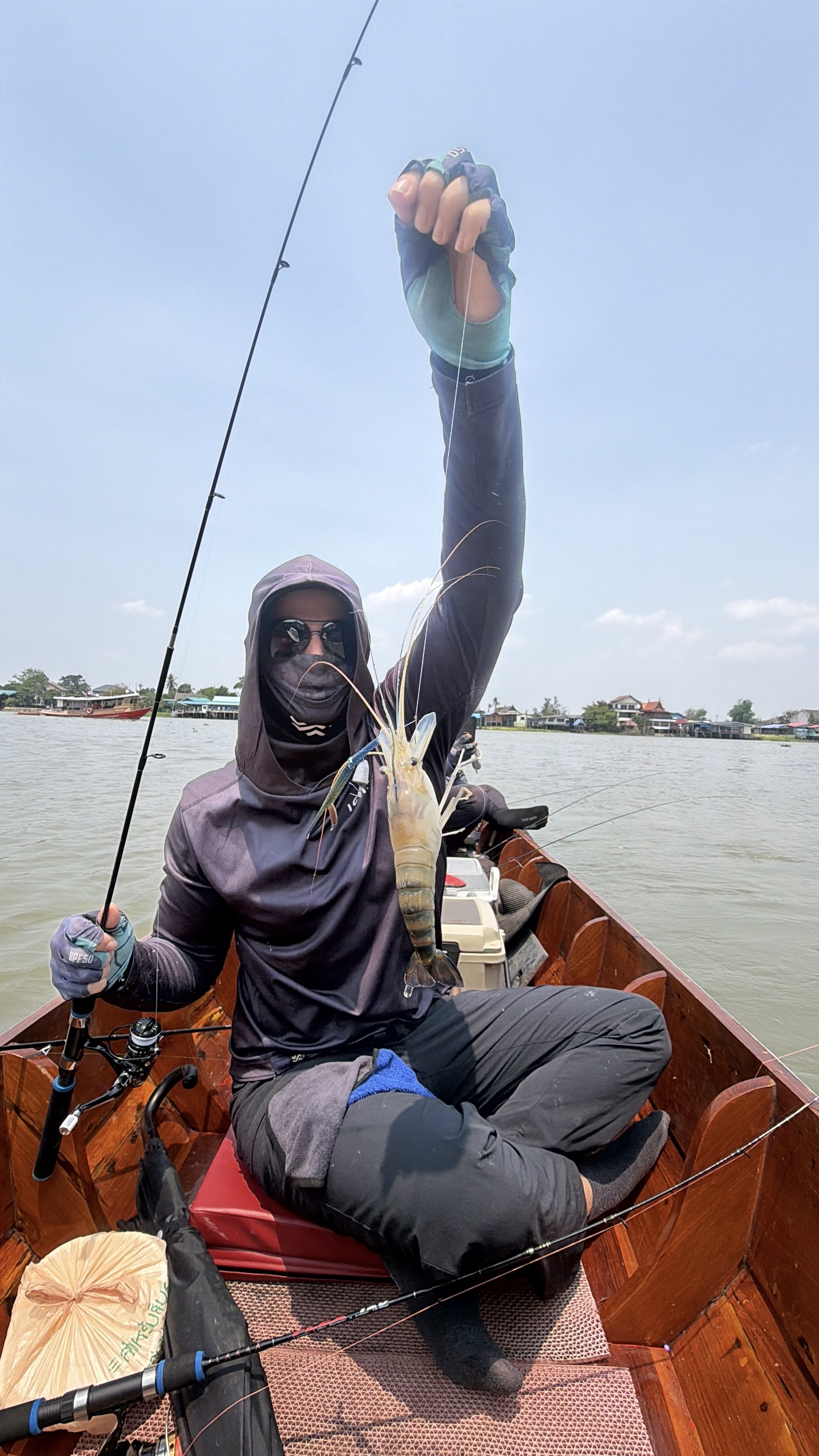
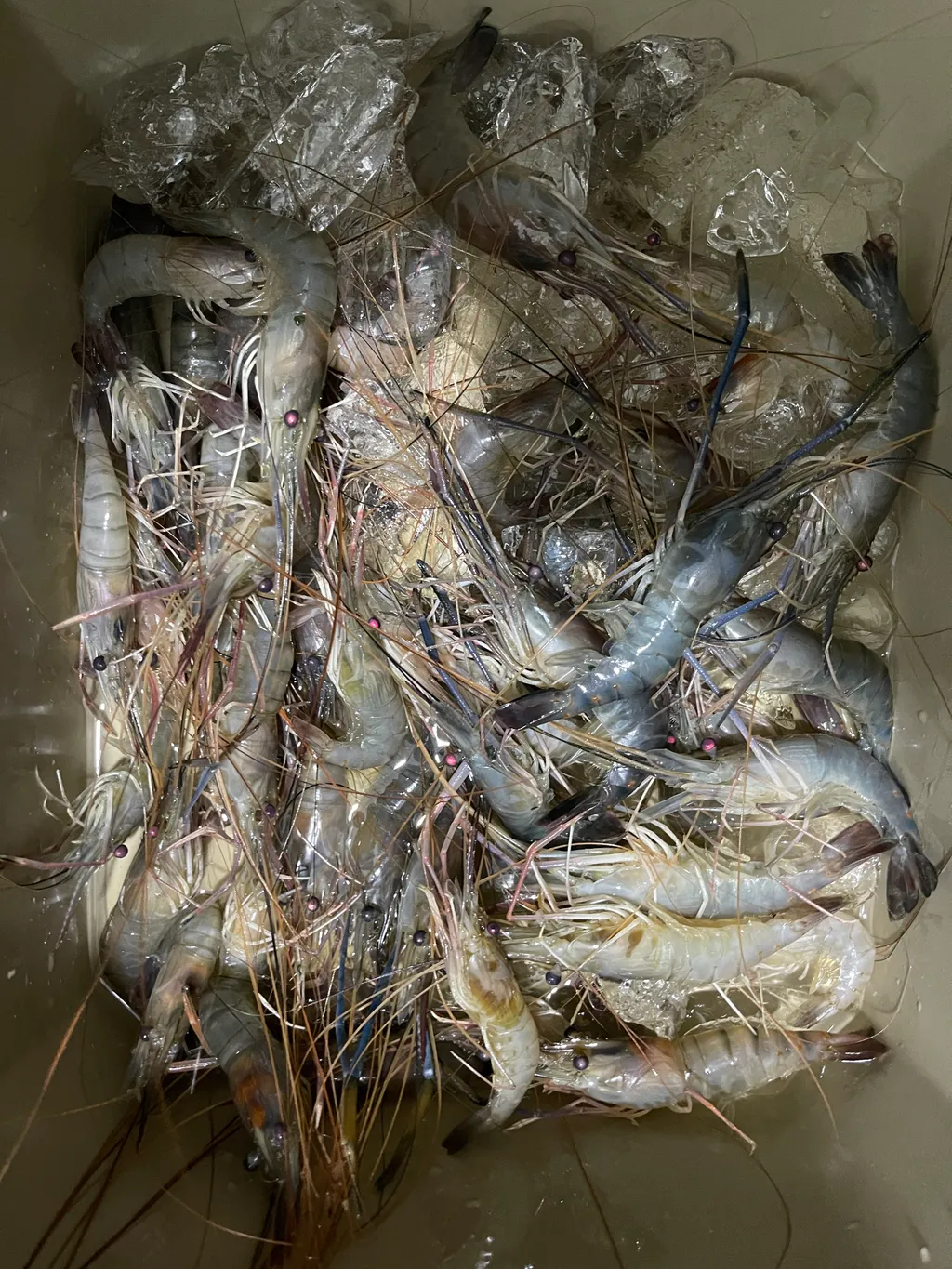
By the end of the trip, we had landed more than 50 shrimp between the anglers on the boat.
Not every shrimp was massive, but there was a good mix of sizes throughout the night.
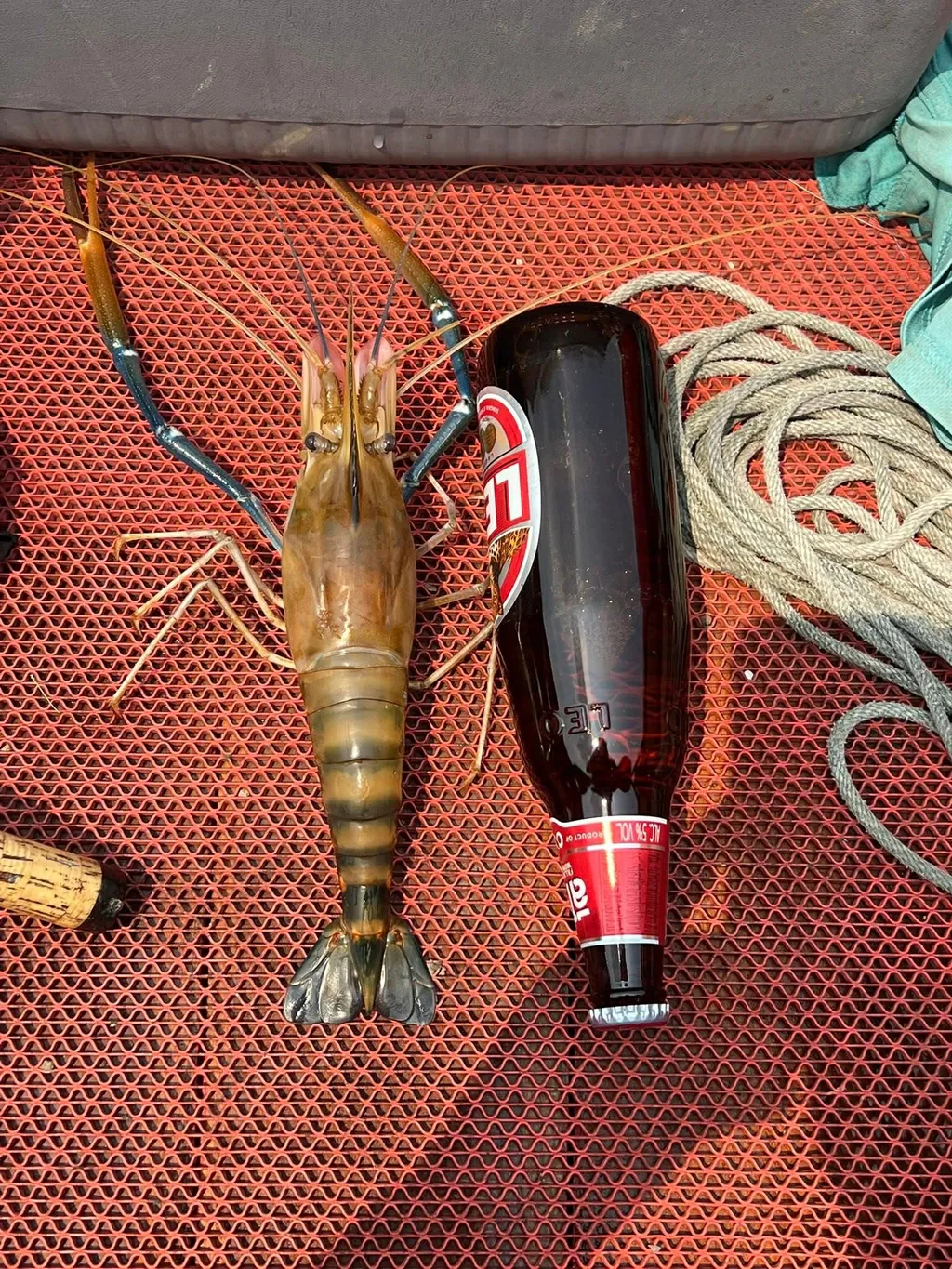
Some were small, while others had the long blue claws that make giant river shrimp so recognisable in Thailand.
I also took a photo comparing one of the larger shrimp against a large Leo beer bottle just to show their size properly.
Related reading
- Shrimp Fishing the Chao Phraya River: Day and Night Guide
- Shrimp Fishing from Our New Boat on the Chao Phraya
Final Thoughts
This second trip taught me a lot more than the first one.
Night fishing for giant river shrimp is slower, more technical, and far more subtle than most anglers expect. But once you start understanding how the shrimp feed and when to set the hook, the catch rate improves quickly.
The biggest surprise for me is still how accessible this fishing is.
You’re only a short drive from Bangkok, the costs are reasonable, and you don’t need expensive gear to get started.
If you’re looking for something different from the usual freshwater fishing around Thailand, this is worth trying at least once.
FAQ
What time does the night shrimp fishing trip start?
The night session starts at 6 p.m. and finishes around 5 a.m. the next morning.
How much does shrimp fishing on the Chao Phraya cost?
The boat costs 1,800 baht for two anglers or 2,000 baht total for three anglers.
What rod setup works best for giant river shrimp?
Ultra-light rods rated for 2–6 lb line work best. I used 6 lb line on all three setups.
What sinker size should I use for shrimp fishing?
For this night session, 2.5 g to 5 g sinkers worked best in the current. Pack a selection of sinkers though, stronger currents mean you will need heavier weights.
Are mosquitoes a problem at night?
Surprisingly, not really. There were a few mosquitoes around, but it was nowhere near as bad as I expected.