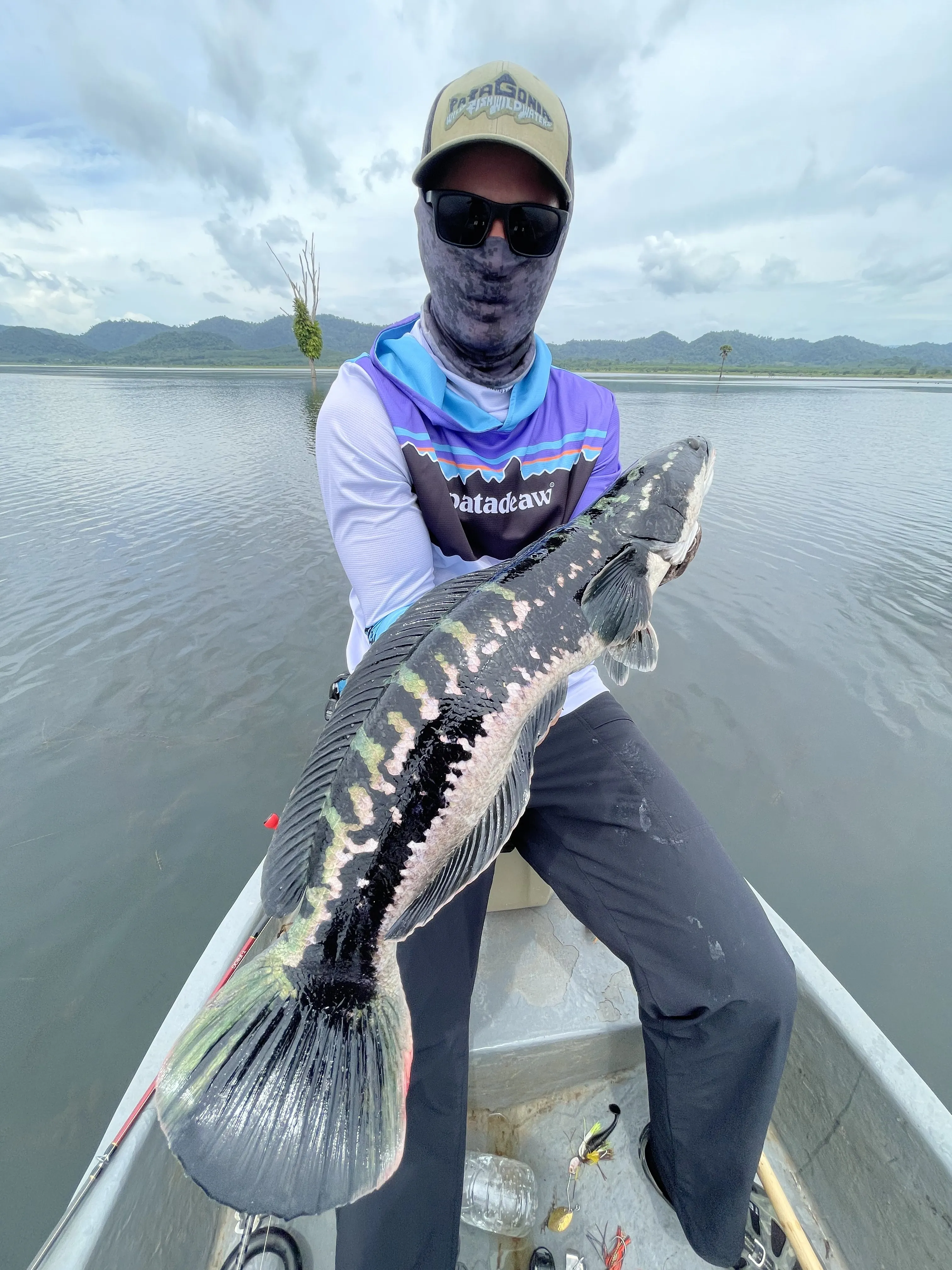
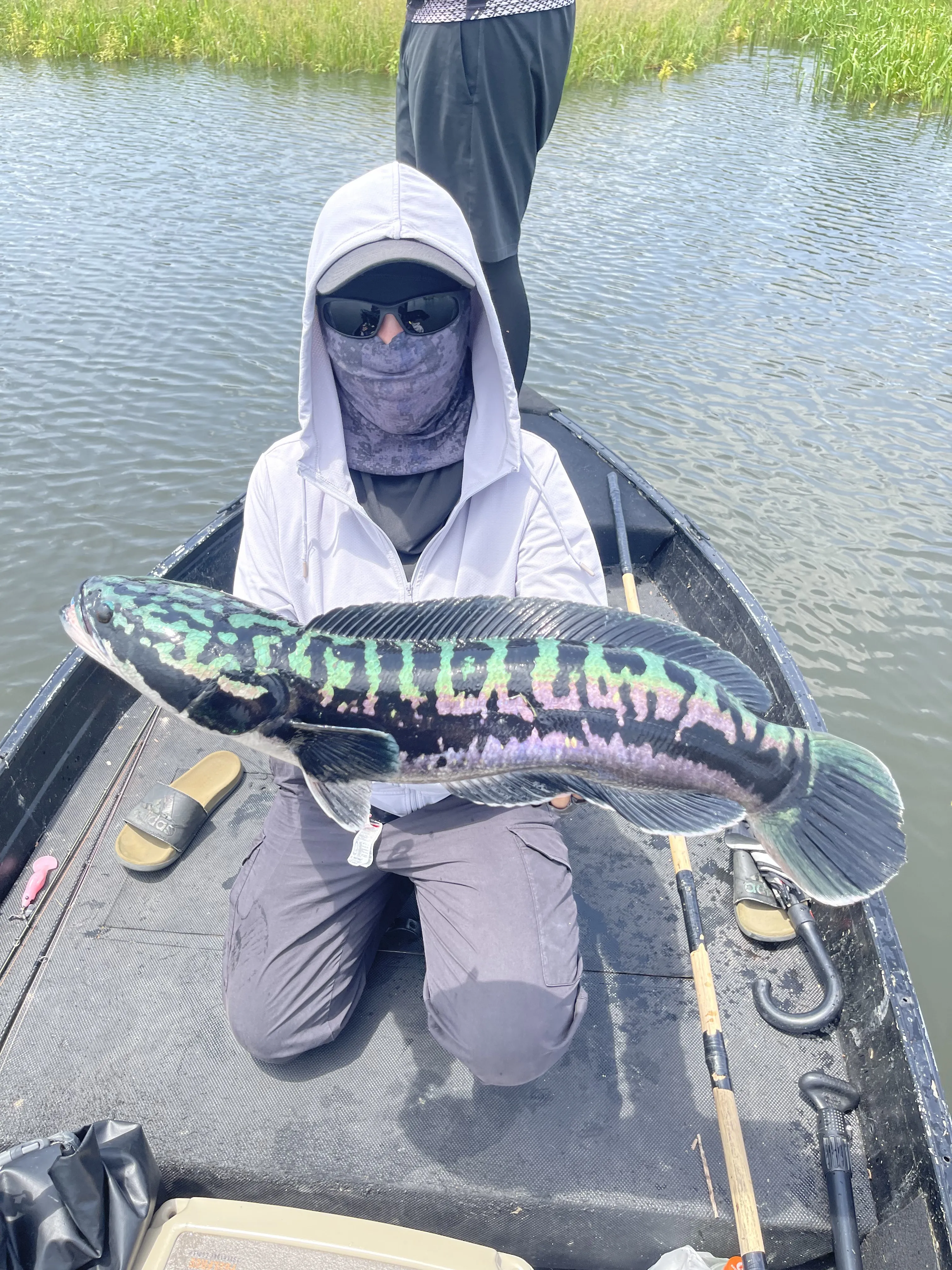
How to Sight Cast for Giant Snakehead in Thailand
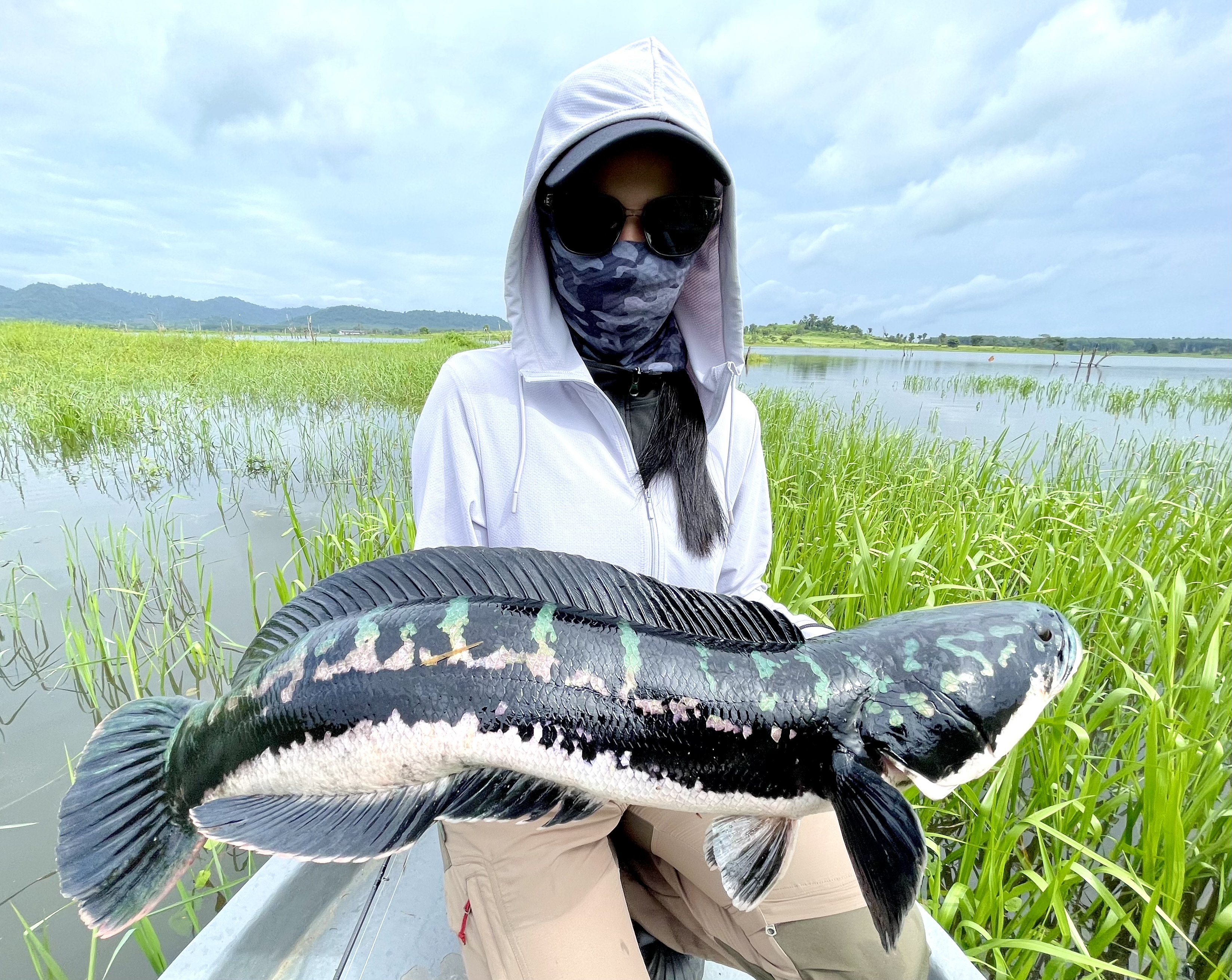
Giant snakehead are one of the most visual freshwater predators you can target in Thailand, and sight casting is one of the most exciting ways to fish for them. When it comes together, you are not blind casting and hoping. You are watching a fish rise, judging its line, placing a lure ahead of it, and forcing a reaction strike.
That is what makes this method addictive.
In Thailand, local anglers know them as pla chado, and they show up in canals, reservoirs, rivers, flooded margins, and shallow vegetation-rich water. Their air-breathing habit gives you a window that most freshwater predators do not give.
If you learn to read that window properly, you can turn a brief surface rise into a committed strike.

Why Sight Casting Works for Giant Snakehead
Snakehead are ambush predators, but they are also forced to reveal themselves.
Unlike many freshwater fish, they must surface regularly to gulp air. That creates your opportunity. Sometimes it is obvious: a snout breaks the surface. Sometimes it is only a swirl, a push of water, or a line of bubbles in the weed.
That single moment tells you three things:
- a fish is there
- it is active
- it can be intercepted
This is why sight casting is so effective in Thailand’s shallow freshwater systems. In the right conditions, you are not fishing empty water. You are making a targeted cast at a known predator.
Where to Look for Rising Snakehead
The best places to sight cast for giant snakehead are areas where they can hunt, hide, and surface with minimal effort.
Key Water Features
Focus on:
- weed edges
- lily pad fields
- grass lines
- submerged timber
- shallow bays
- canal margins
- flooded paddies
- backwater pockets in reservoirs and rivers
Snakehead like cover, but they also need lanes to move and breathe. The best fish often rise along edges rather than in the thickest junk.
What a Rise Actually Looks Like
A rise is not always dramatic.
Sometimes you will see:
- a bubble trail
- a subtle boil
- a pointed snout
- a V-wake moving off the surface
- a dark shape rolling just under the film
The more time you spend watching before casting, the better you get at separating real fish movement from random surface noise.
How to Read the Fish Before You Cast
This is the part most anglers rush.
When a snakehead rises, do not instantly fire at the spot. Watch the direction it takes after surfacing. The best cast is usually not at the rise itself, but ahead of the line the fish is likely to travel.
A fish might:
- slide back toward heavy cover
- keep cruising a grass edge
- drift with the current
- circle and rise again in nearly the same lane
The more accurately you predict that path, the more natural your presentation becomes.
Do Not Cast on the Fish
Casting directly onto the fish is one of the fastest ways to blow the shot.
A lure landing on its head does not look like prey. It feels like danger.
Instead, land the lure slightly ahead or off to the side of the fish’s expected route. You want the snakehead to see something moving away from it, not something crashing on top of it.
That change alone will save a lot of missed opportunities. It is one of the most important principles in the whole technique.

The Best Lures for Sight Casting Snakehead
You do not need a giant spread of options. You need a few presentations that cover the main conditions well.
A smart snakehead setup usually includes one noisy topwater, one weedless topwater, and one subsurface reaction bait.
Buzz Bait
A buzz bait is a strong option when you need to cover water fast or call fish out of broken cover.
The blade churns the surface, creates noise, and throws enough commotion to get a snakehead’s attention even when the exact landing point is not perfect.
Best use cases:
- stained water
- windy chop
- aggressive fish
- monsoon-season surface activity
- sparse weed or open lanes
Cast it a few feet ahead of the fish’s line and keep it moving immediately.
Do not let it die.
Soft Plastic Frog
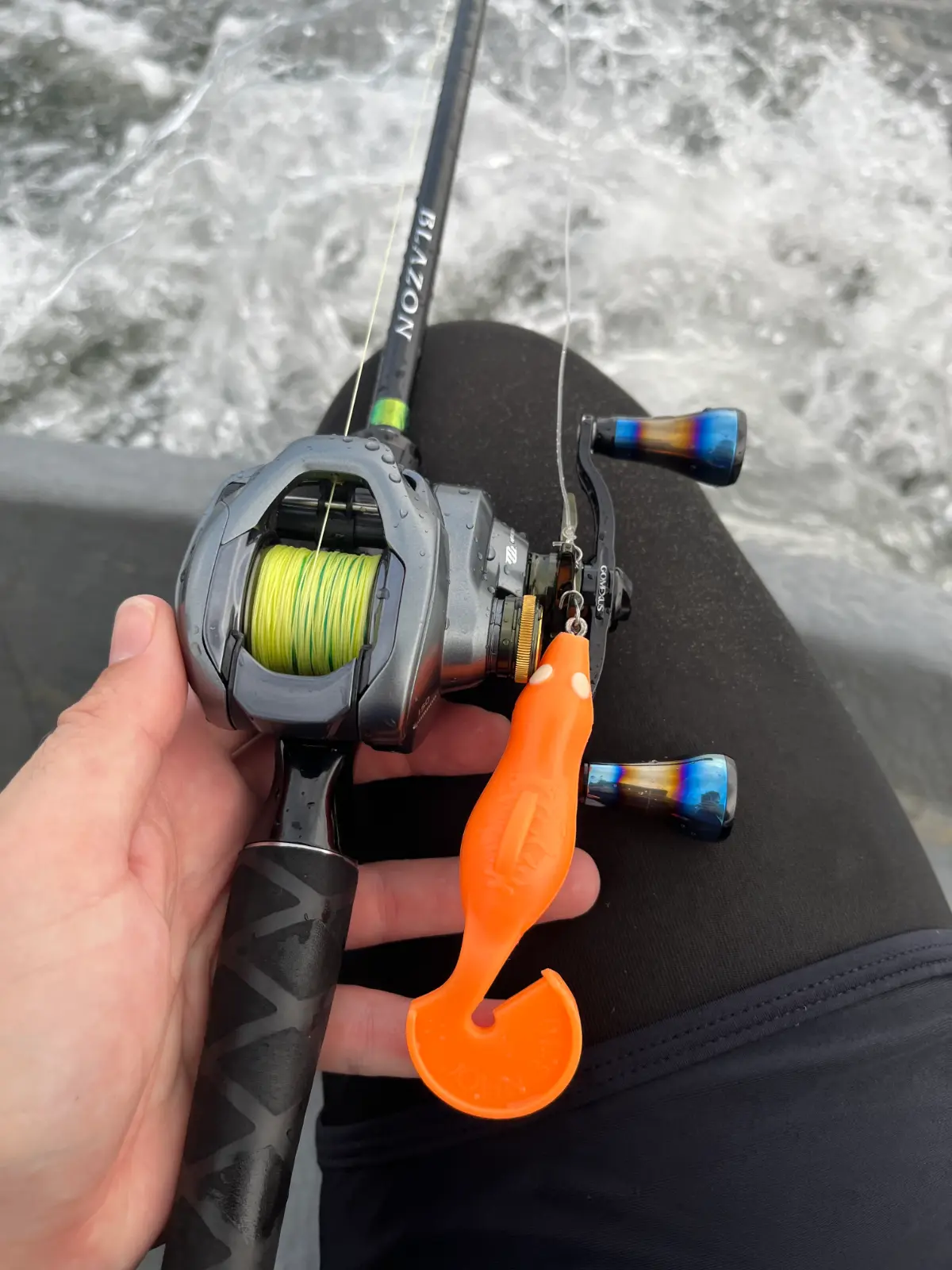
A soft plastic frog is one of the best tools for heavy cover.
It comes through pads, grass, and matted edges far better than a moving treble-hook bait, and it lets you put a lure where snakehead actually live.
Best use cases:
- lily pads
- floating vegetation
- grass mats
- tight weed lanes
- calm, visual conditions
High-visibility frog colors can also help you track the lure during a fast retrieve, especially when the fish is tracking just under the surface.
Crankbait
A shallow-running crankbait gives you a different angle when fish are not fully committing to topwater or when they are holding slightly deeper after surfacing.
It is more precise than the other two options.
Natural baitfish colors tend to make the most sense in clearer water, and a fast, straight retrieve can make the lure look like a panicked escape target.
Best use cases:
- clearer water
- sparse cover
- fish holding just below surface
- deeper edges off weed lines
Placing a crankbait behind the fish’s original position works when you are intercepting its line, but the main principle is distance control: close enough to be seen, far enough not to spook it.
Retrieve Speed: Why Fast Usually Wins
A fast, continuous retrieve matters more than most anglers expect, and that holds true for reaction-based snakehead fishing in Thailand.
Snakehead often eat because the lure looks like it is escaping.
If the bait stalls too much, they have more time to inspect it. If it moves with urgency, they are more likely to react hard and fast.
For Topwater
With buzz baits and frogs, the goal is usually to keep the lure moving cleanly across the strike zone.
That means:
- start retrieving as soon as it lands
- keep enough speed to maintain action
- avoid dead pauses unless fish are visibly short-striking
- commit to a clean line through the fish’s path
For Crankbaits
With crankbaits, the retrieve still needs purpose.
You want the lure to track like prey that knows it is being hunted. A lazy wobble can work in some fisheries, but with sight-cast snakehead, urgency often triggers the better response.
Tackle Setup for Better Control
This is not finesse fishing.
You need enough rod power to drive hooks, steer fish away from cover, and stay in control once a big snakehead surges into grass or timber.
A Practical Snakehead Setup
A reliable setup looks like this:
- medium-heavy to heavy rod
- fast reel
- braided main line
- leader matched to cover and lure style
The exact specs can vary, but the logic stays the same: accurate casting, quick line pickup, and enough stopping power to keep fish from burying you.
If you are fishing dense cover with topwater, do not undergun yourself.
Polarized Sunglasses Are Not Optional
If you are serious about sight casting, polarized sunglasses are part of the system, not an accessory.
They help you:
- cut surface glare
- track bubble trails
- see a fish roll
- pick out shadows near structure
- watch how a fish reacts after the cast
Amber or copper lenses are often strong choices in murky water or lower light. Gray works well in brighter, harsher conditions.
A hat helps too, but good lenses do more for this technique than most anglers realize.
Without them, you are fishing half blind.

Common Mistakes That Cost You Fish
Sight casting is simple in theory, but small errors ruin a lot of good opportunities.
Casting Too Close
This is the classic mistake.
If the lure lands on top of the fish, the shot is usually dead.
Retrieving Too Slowly
Snakehead often respond better to urgency than hesitation.
A timid retrieve can kill the entire setup.
Watching the Rise, Not the Route
The rise tells you where the fish was.
The route tells you where to cast.
Using the Wrong Lure for the Cover
A crankbait in thick pads is asking for frustration.
A frog in open, clear water may still work, but sometimes a subsurface bait gives you the better shot.

Josh’s Pro Tip
If you miss the first shot, do not leave too quickly.
A giant snakehead will often return to the same general breathing lane, especially if it was not badly spooked. Stay ready, stay quiet, and watch the water instead of instantly bombing blind casts into the area.
A lot of second-chance eats come from anglers patient enough to let the fish show itself again.
When This Technique Works Best in Thailand
Sight casting shines when visibility is good enough to read the fish and the water is shallow enough that rises matter.
Strong conditions include:
- calm mornings
- light wind
- sunny windows that help you track movement
- shallow freshwater margins
- active fish near surface cover
It can also be excellent during the wet season when snakehead push shallow and hunt aggressively around flooded structure.
Still, do not think of this as a technique limited to one season. It is more about fish position, visibility, and surface behavior than a strict calendar window.
What to Read Next
If sight casting for giant snakehead is the style of fishing you want to build around, your next step should be expanding the system around it.
This technique suits anglers who enjoy visual fishing, quick decisions, and aggressive topwater eats.
If that sounds like your game, snakehead should be high on your Thailand list.
FAQ
What is the best lure for sight casting giant snakehead in Thailand?
A soft plastic frog is usually the best option in heavy cover, while a buzz bait is excellent for calling fish up in more open lanes. A shallow crankbait helps when fish are holding just under the surface.
Should I cast directly at a rising snakehead?
No. Cast slightly ahead of the fish’s likely path or off to the side. Landing directly on the fish often spooks it.
How fast should I retrieve for snakehead?
Usually faster than you think. In many cases, a continuous, committed retrieve triggers a stronger reaction than a slow, hesitant one.
Are polarized sunglasses really necessary?
Yes. They help you see rises, track movement, and spot subtle signs that you would otherwise miss on reflective water.
Is sight casting for giant snakehead good for beginners?
It can be, but it rewards patience and accuracy. Beginners can absolutely learn it, though they usually improve fast once they stop rushing the cast and start reading the fish first.