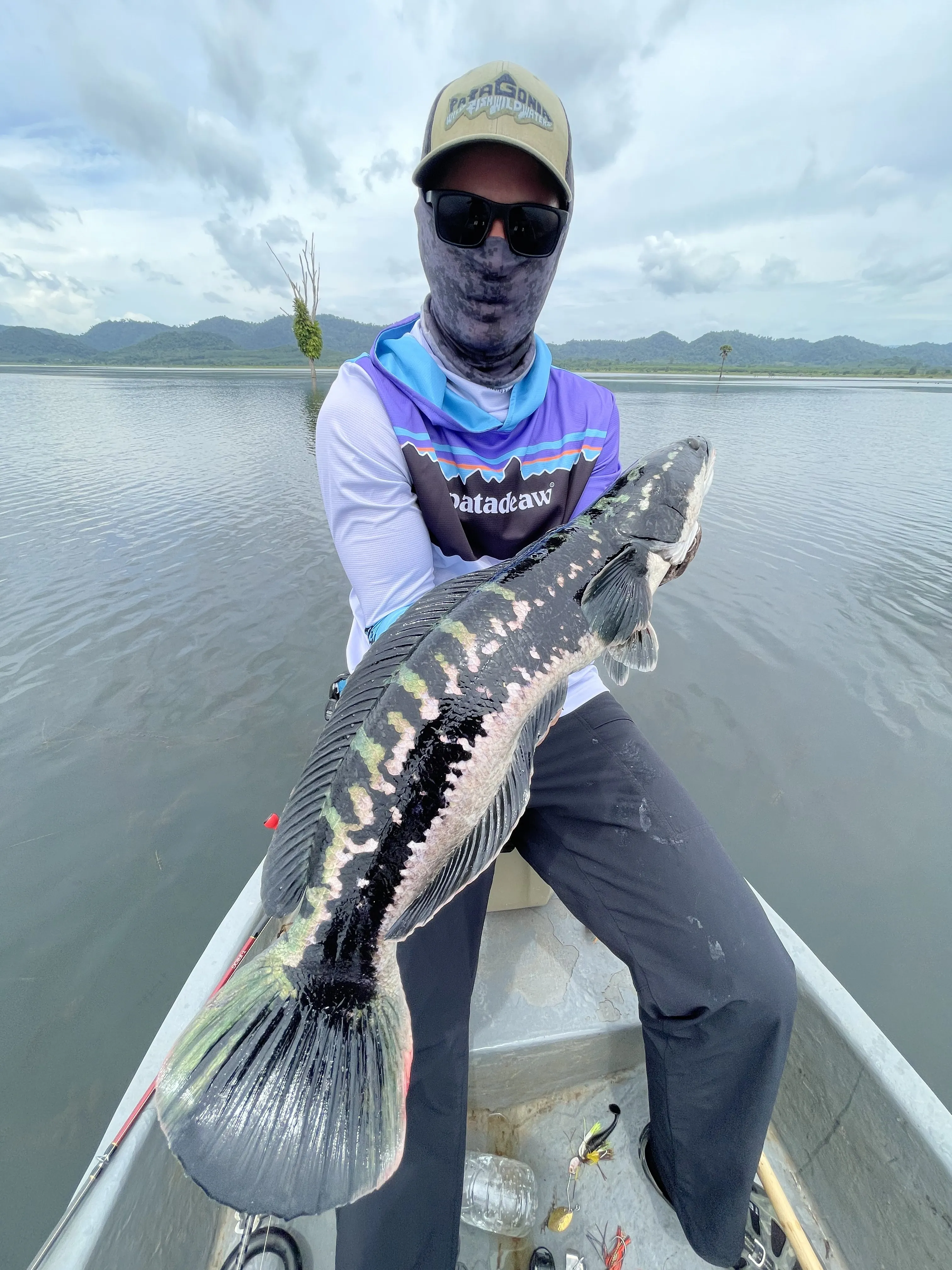
10 Giant Snakehead in Two Days: One of My Best Fishing Weekends
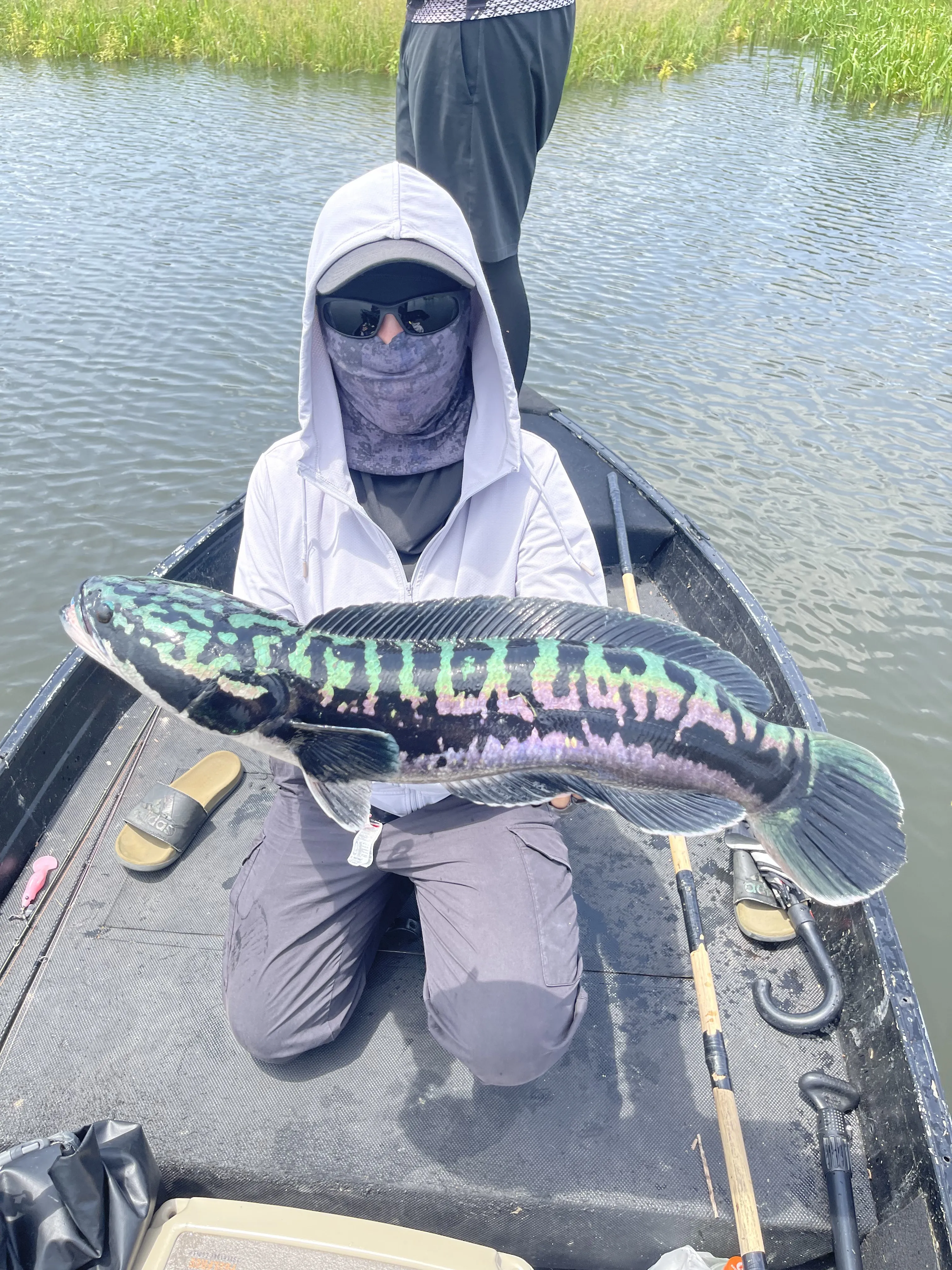
A Weekend of Giant Snakehead Fishing
This was one of my best weekends of fishing yet.
Over two days of fishing, my wife and I landed 10 giant snakehead between us. The trip took place during the peak of the fryball season, with the rainy weather creating the conditions we were looking for.
The plan was simple from the beginning. We weren't going out looking for individual fish. We were targeting fryballs.
Our captain would spend his time searching the reservoir for active fryballs. Once we located one, the fishing became a matter of working that area and trying to get the mama fish to commit.
Sometimes we'd spend around 20 minutes on a fryball. Other times, we'd stay on one for close to an hour.
That was essentially the routine for the trip: find the fry, work the area, and try to trigger the fish protecting them.
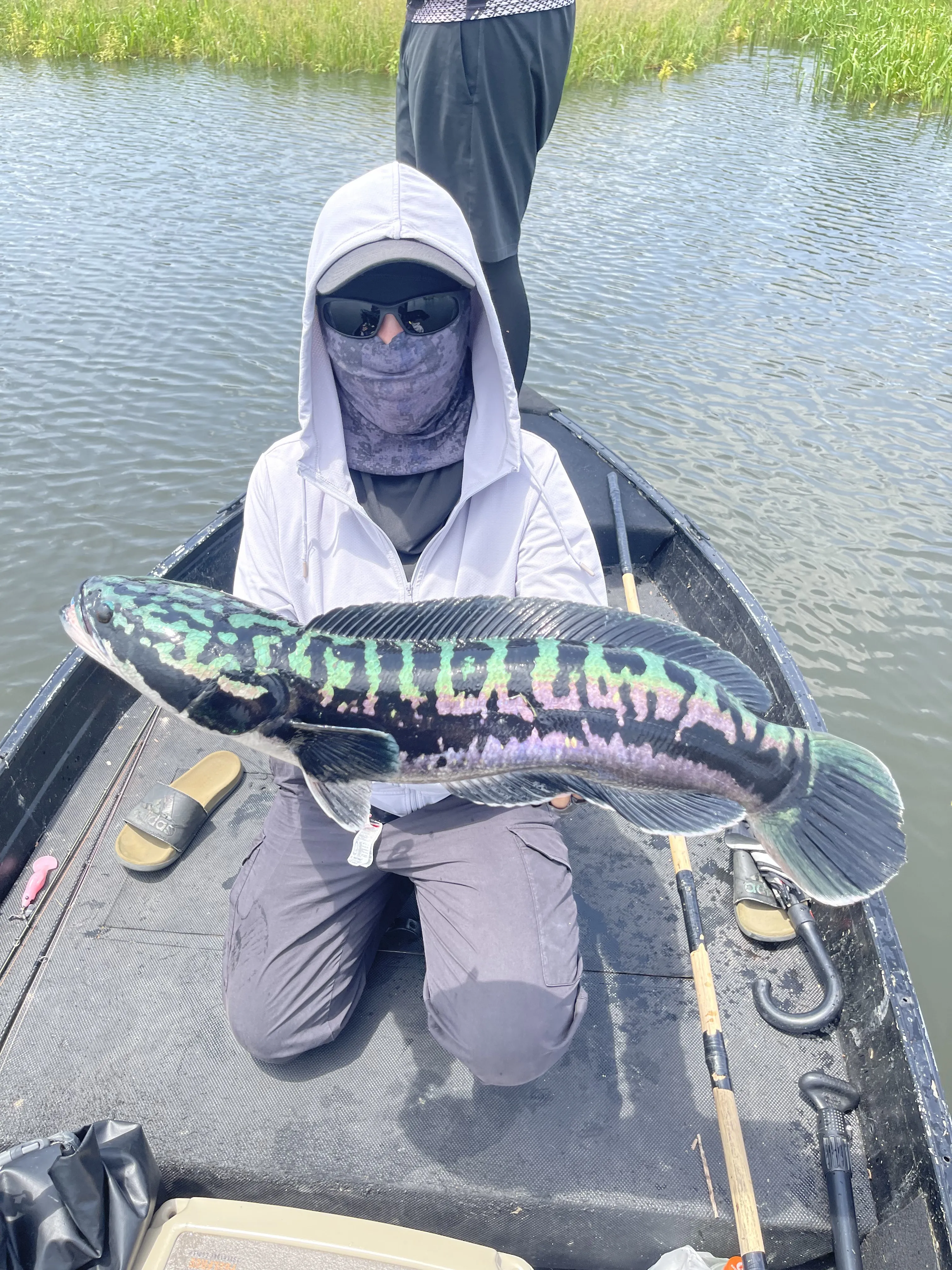
Day One Started Slowly
The first day wasn't spectacular by our standards.
We finished the day with four fish between the two of us, which is still a good day's fishing, but considering what happened on the second day, it felt relatively slow.
The majority of our fish came on spinnerbaits, which made sense for the type of fishing we were doing. We were often working around areas where the fryballs were sitting, and the spinnerbait gave us a practical way to fish around the cover.
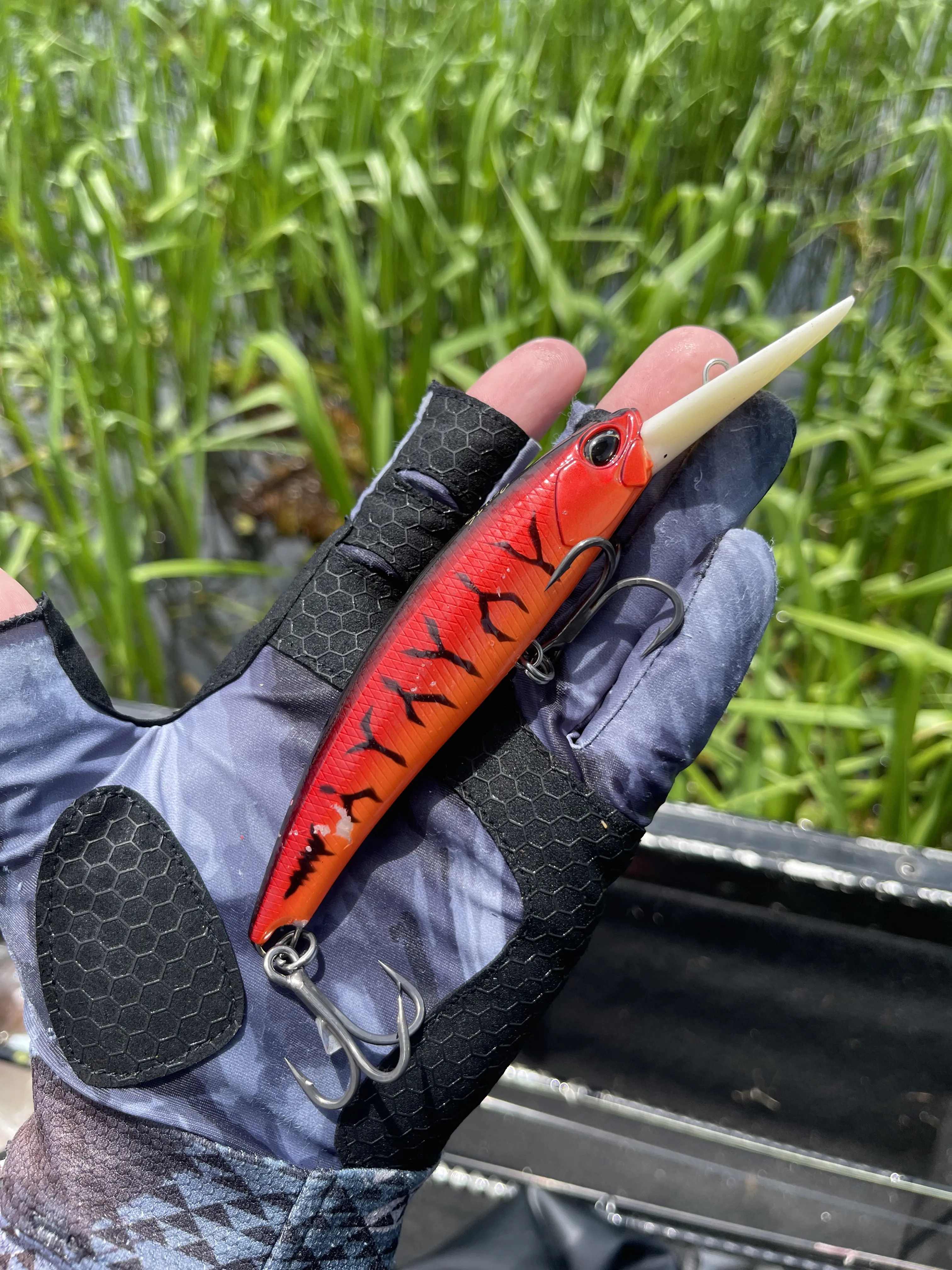
The rest of the fish came on a DUO Fangbait 120 DR.
There wasn't really one magic lure that suddenly unlocked the fishing. We were simply putting lures in front of fish and spending enough time around each fryball to eventually get a reaction.
That's an important part of this style of giant snakehead fishing. Finding the fryball is only the beginning.
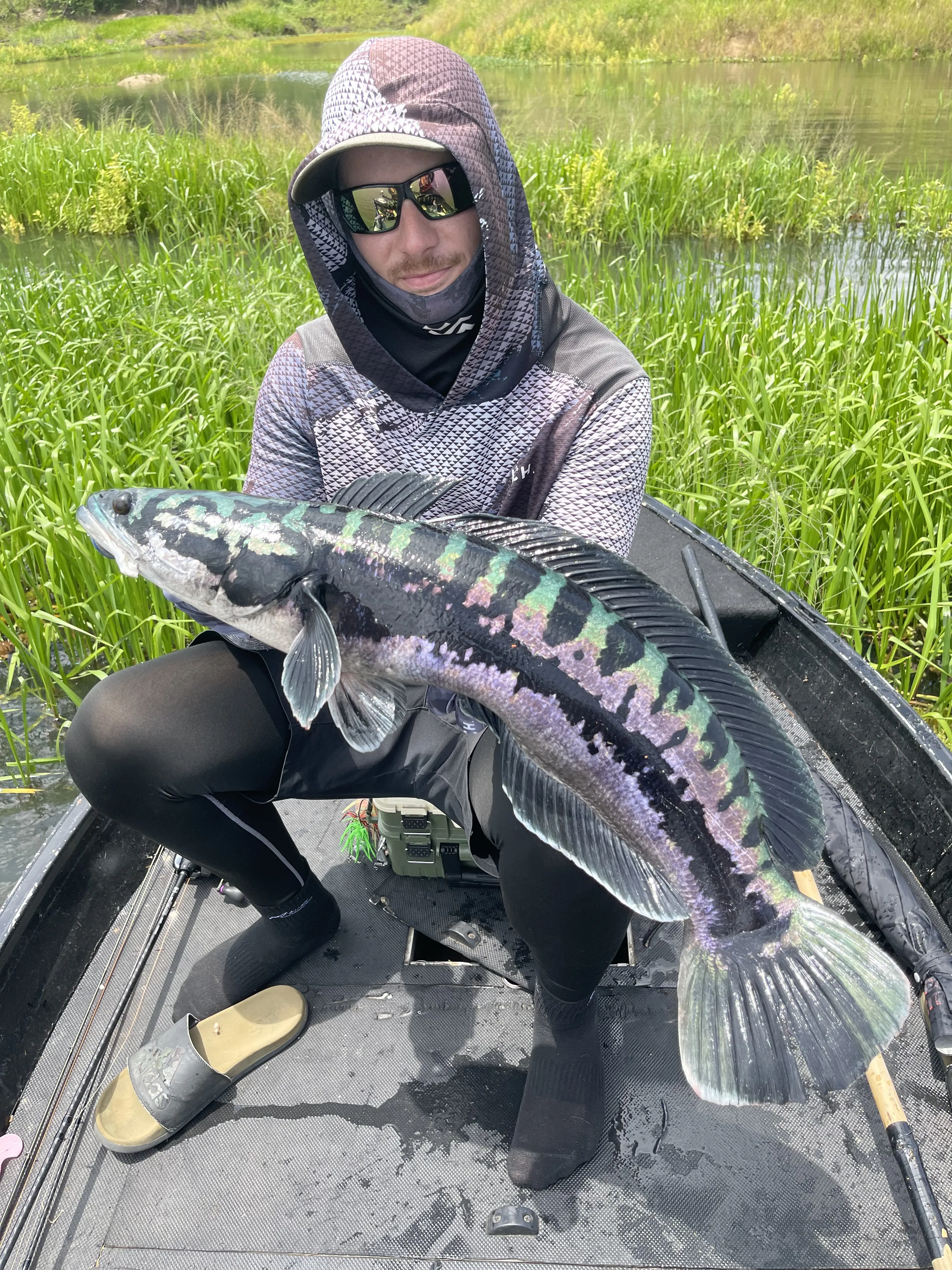
Finding the Fryballs
At the peak of the fryball season, the entire trip revolved around finding active fry.
Our captain would search the reservoir, looking for signs of fryballs and the mama fish protecting them. Once we found one, we would settle in and work it.
Sometimes a fish would respond relatively quickly. Other times, we could cast for 20 minutes, 30 minutes, or even close to an hour without getting the reaction we wanted.
That can make fryball fishing a very repetitive process. But when you're targeting the larger mama fish, you can't really rush it.
The fish are there because they're protecting their young, and our job was to keep presenting the lure until we could get one to commit.
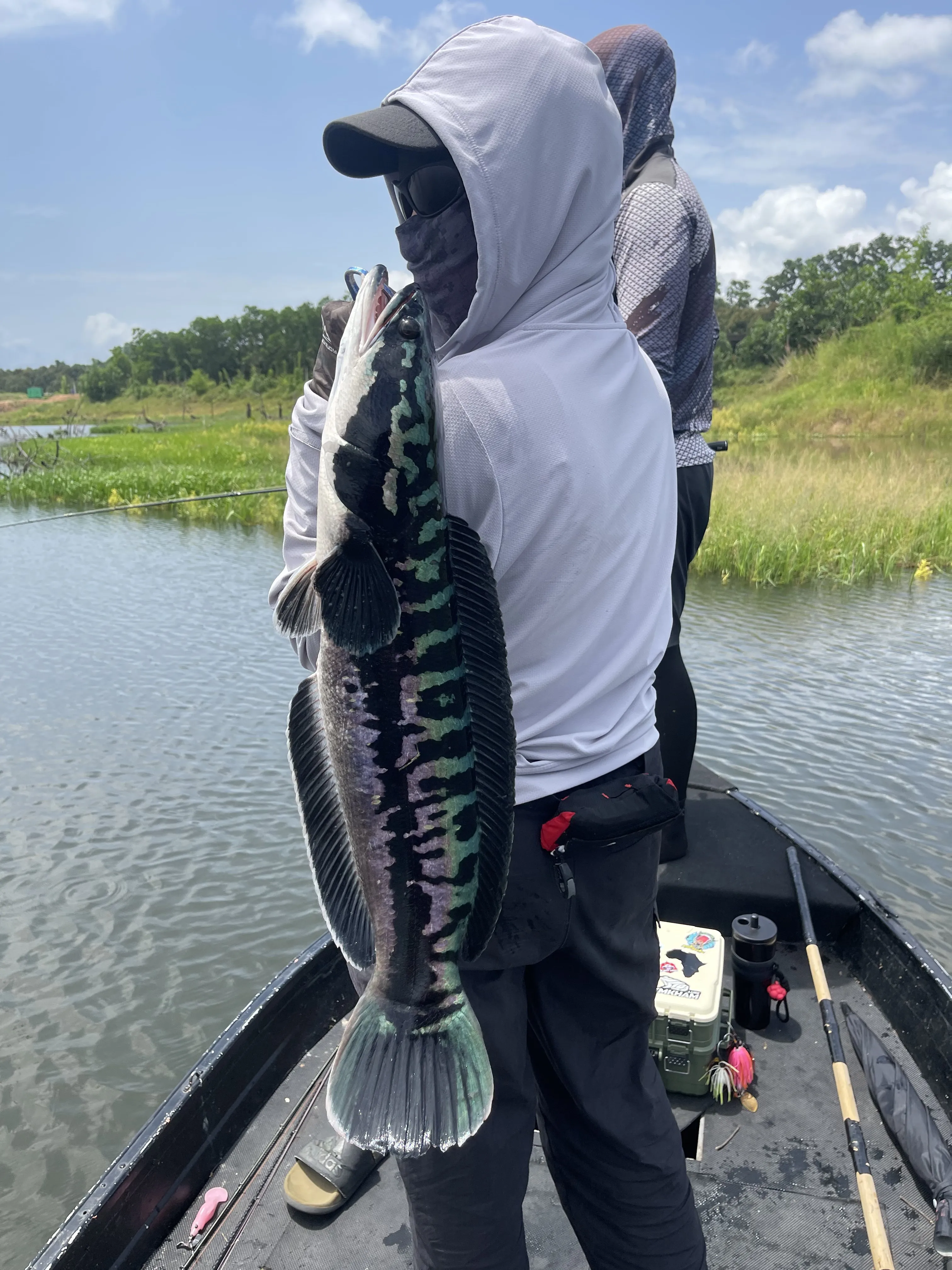
The Spinnerbait Was the Main Producer
The majority of our 10 fish came on spinnerbaits.
For this trip, that ended up being the most productive presentation by a clear margin. We weren't relying on one particular spinnerbait as some kind of secret weapon. The important thing was being able to fish effectively around the conditions we were facing.
The DUO Fangbait 120 DR accounted for the rest of the fish.
Having both options gave us some flexibility depending on how the fish were behaving and where the fryball was positioned.
But if I had to pick the main lure of the weekend, it was definitely the spinnerbait.
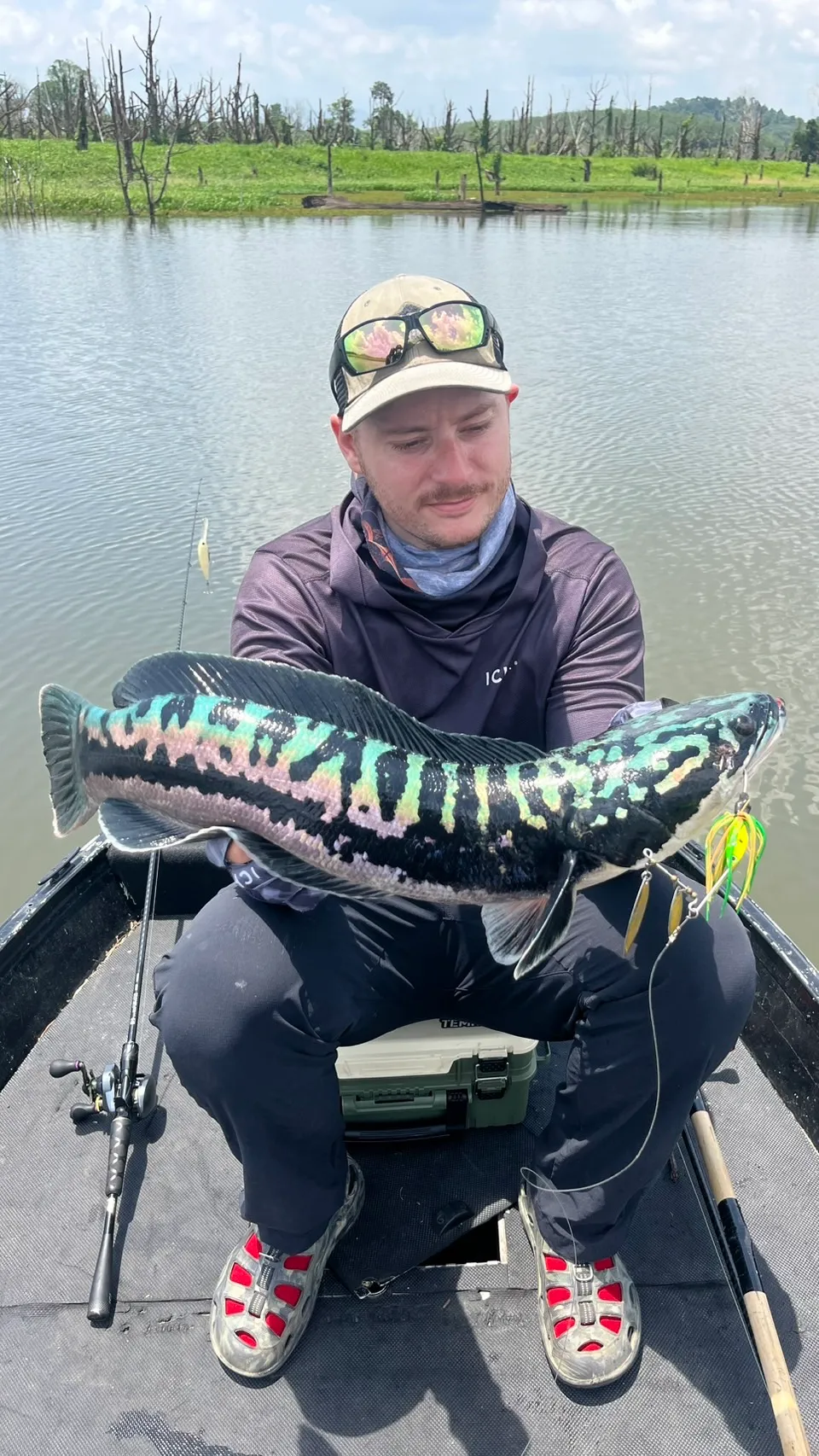
The Size of the Fish
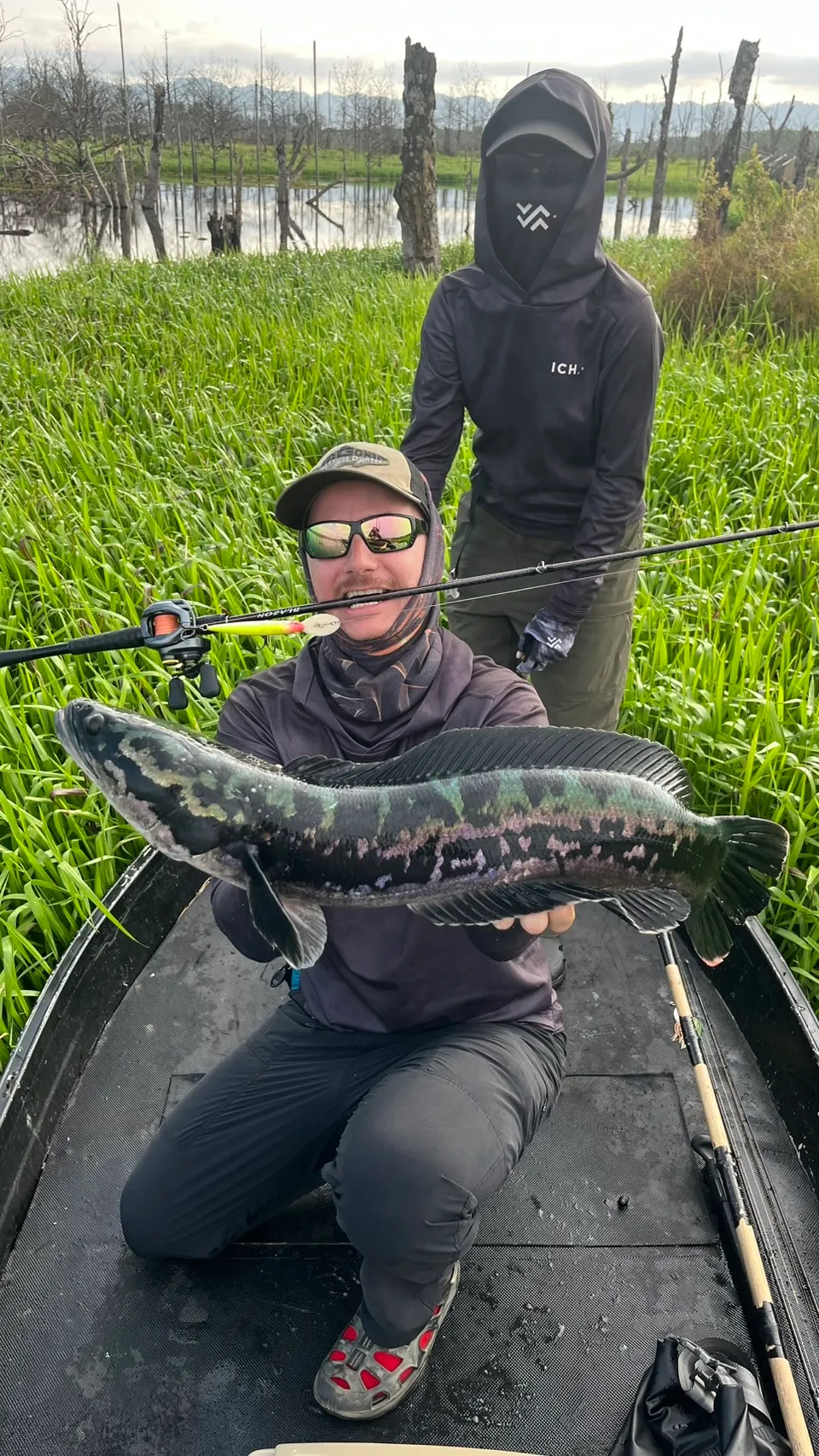
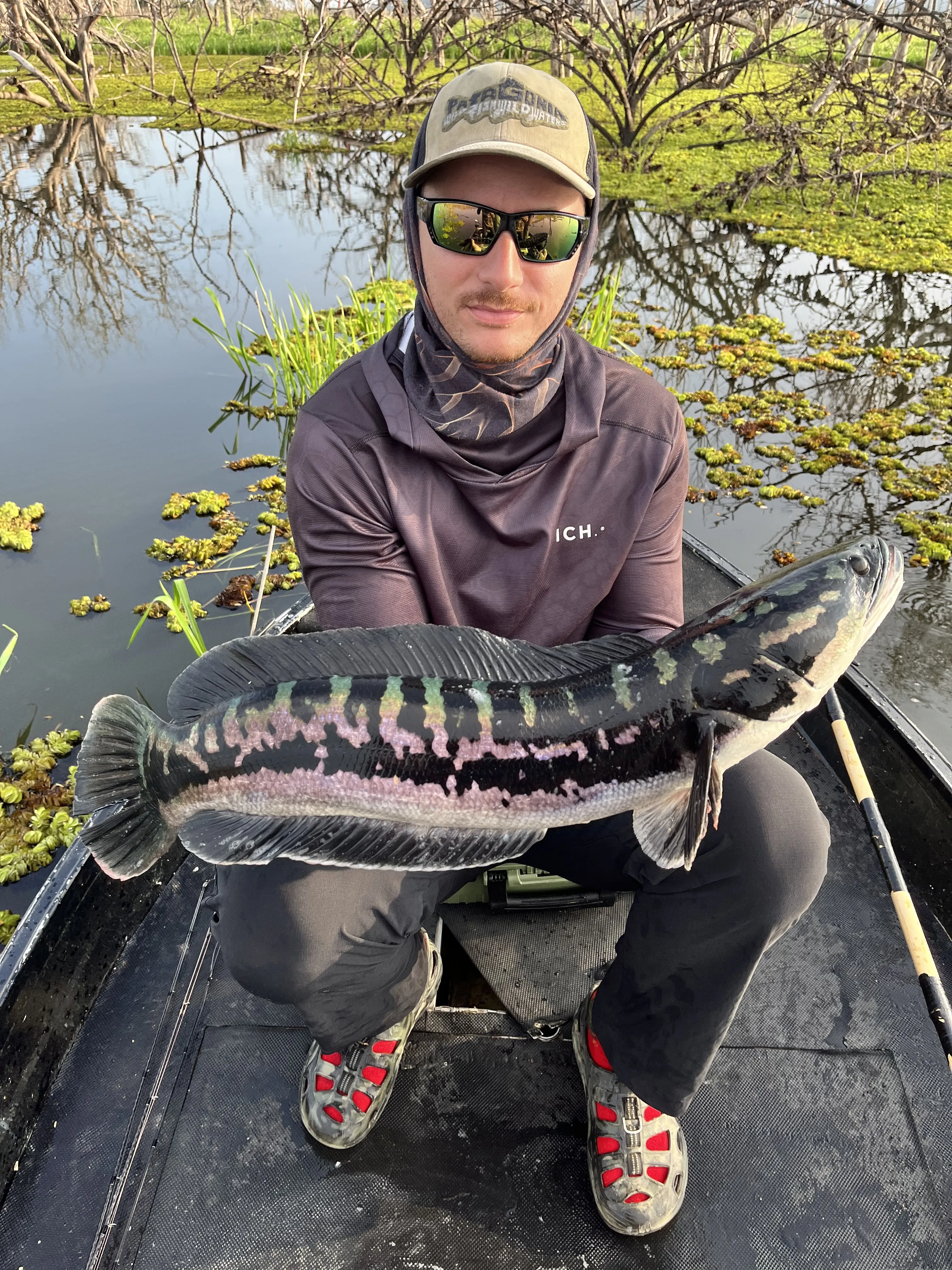
Most of the fish we caught averaged around 4 kg.
That's already a serious giant snakehead, particularly when you're dealing with fish that are protecting fry and can make extremely powerful runs once hooked.
But two fish stood out from the rest.
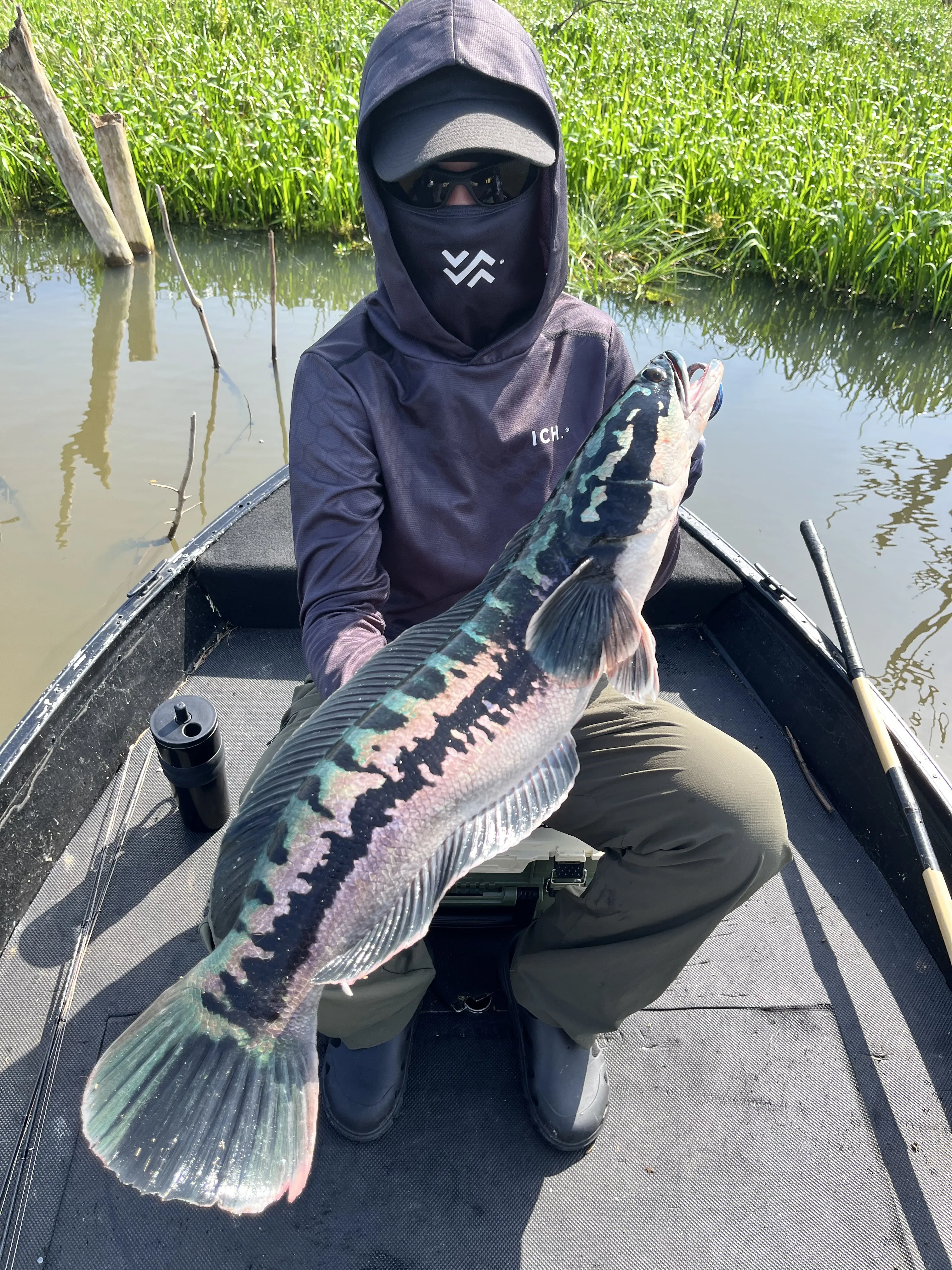
Both were around 6 kg, and those were the fish that really made the trip memorable.
A 4 kg fish is one thing. When you start getting into that 6 kg range, the fish feel noticeably different when they come tight.
And then there was the one we didn't land.
The Fish We Lost
At some point during the trip, we hooked into a fish that was considerably larger than the others.
We didn't get it to the boat, so obviously the weight is only an estimate, but based on the size of the fish we had already landed, we estimated it would have been somewhere around 8–9 kg.
That one hurts.
When you're having a good trip and already putting several fish in the boat, it's easy to start thinking that the biggest fish might still be out there somewhere.
Then one shows up. And you lose it.
That's fishing, but it definitely left us wondering what the final numbers could have looked like if that fish had made it to the boat.
Why the Rainy Season Matters
The timing of this trip was a big part of why the fishing was so good.
We were there during the rainy season, right at the peak of the fryball period.
As water levels rise, giant snakehead have the conditions they need to spawn and move into areas with grass and trees where they can protect their young.
For anyone specifically interested in targeting big mama giant snakehead, this is the period I would be paying attention to.
The fish are there for a reason. They're actively protecting their fry, and that gives you an opportunity to target a very specific fish rather than simply hoping to encounter a giant snakehead while casting around a reservoir.
A Two-Day Total of 10 Fish
By the end of the second day, the numbers had completely changed.
Four fish on the first day became six fish on the final day, giving my wife and me a total of 10 giant snakehead over the weekend.
That second day was a completely different level of fishing compared with the first.
Six fish between two anglers in a day is a result I'm extremely happy with, especially when the fish are averaging around 4 kg and you're getting multiple fish around 6 kg.
And then you add the lost fish that we estimated at 8–9 kg.
It made for a pretty special weekend.
Josh’s Pro Tip
For fryball fishing, don't judge the day by how quickly you get a bite.
Some of the fryballs we found required a lot of time before the mama fish finally committed. We spent anywhere from around 20 minutes to nearly an hour working individual fryballs.
If you're specifically chasing the bigger mama fish, be prepared to put the time in.
Final Thoughts
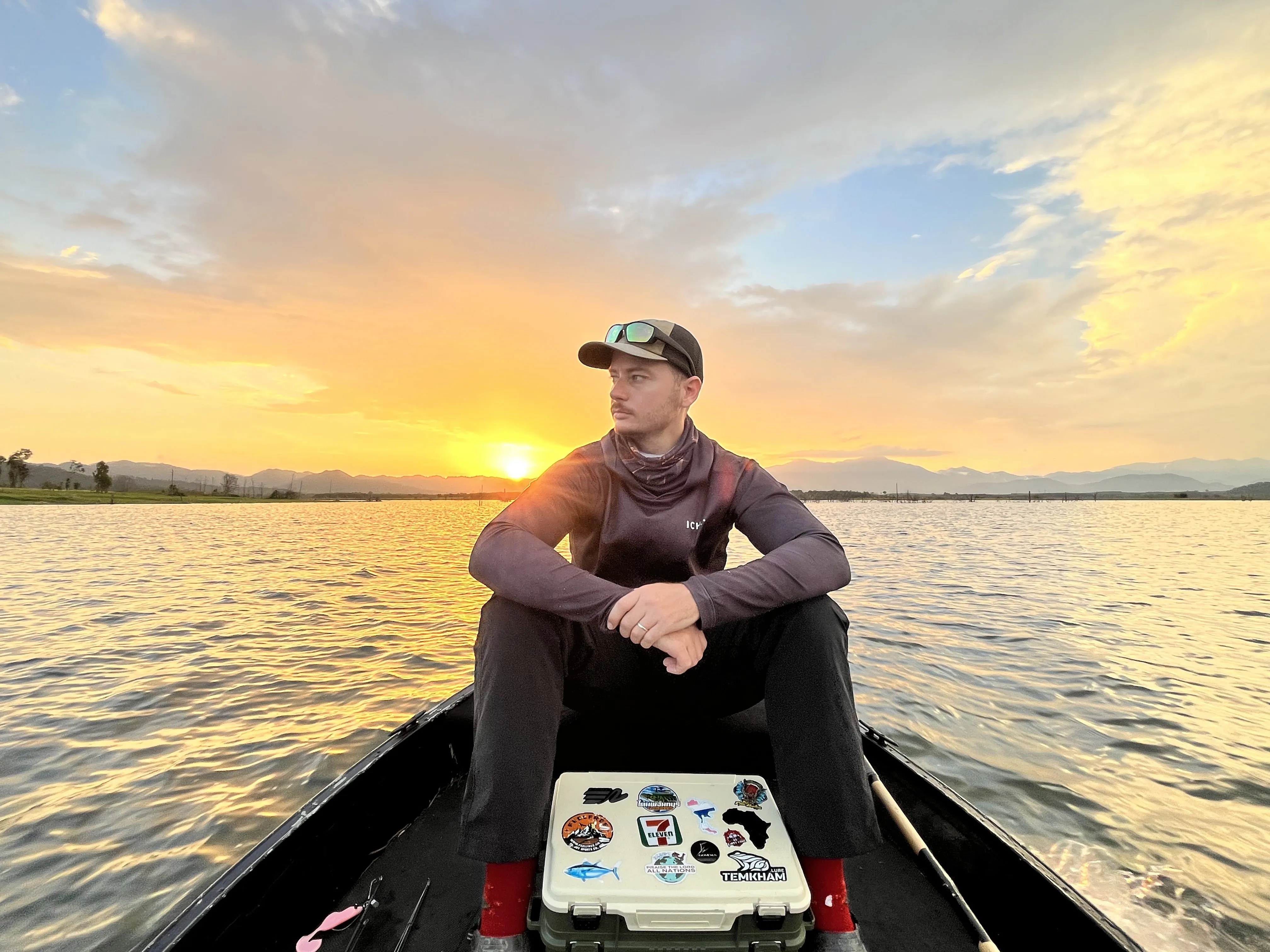
This trip was a good reminder of why I enjoy targeting giant snakehead during the fryball season.
The fishing is very focused. You're not just randomly casting around a body of water hoping that a fish comes along. You're searching for fryballs, locating the mama fish and then spending the time needed to try to make her eat.
Over the weekend, my wife and I landed 10 fish.
Most were around 4 kg, two were around 6 kg, and one much bigger fish got away.
The spinnerbait did most of the damage, with the DUO Fangbait 120 DR accounting for the rest.
Considering how the first day started, finishing the weekend with six fish on the final day and 10 fish overall made this one of my best giant snakehead trips yet.
If you're planning a trip specifically to target big mama giant snakehead, the rainy-season fryball period is when I'd want to be on the water.
Just be prepared to spend some time working each fryball. The fish you're looking for might be sitting there the entire time—you just have to convince her to eat.
FAQ
When is the best time to target giant snakehead fryballs?
The rainy season is the key period. Rising water levels create the conditions for giant snakehead to spawn and protect their young around grass and trees.
How long can you spend fishing one fryball?
On this trip, we generally spent between around 20 minutes and an hour working an individual fryball before moving on.
What lure caught most of the fish?
The majority of our 10 fish came on spinnerbaits. The remaining fish came on a DUO Fangbait 120 DR.
How big were the giant snakehead?
Most of the fish averaged around 4 kg. Two fish were around 6 kg, while one lost fish was estimated at approximately 8–9 kg.
Is fryball fishing worth the effort?
If your goal is to target large mama giant snakehead, absolutely. It can require patience, but you're targeting a fish that is actively protecting its young rather than simply searching for individual fish.